| OCR Text |
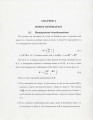
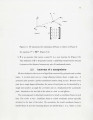
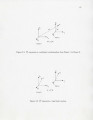
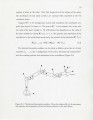
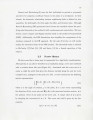
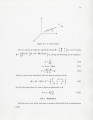
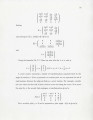
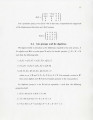
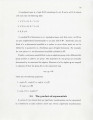
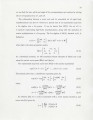
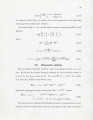
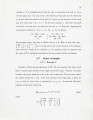
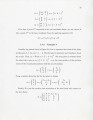
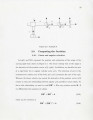
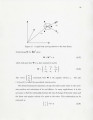
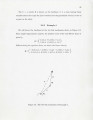
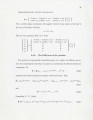
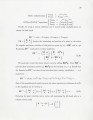
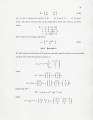
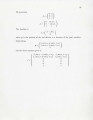
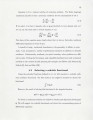
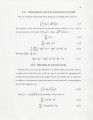
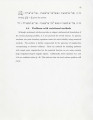
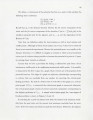
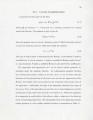
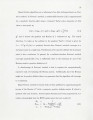
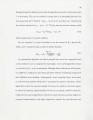
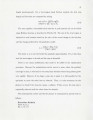
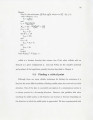
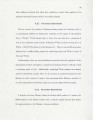
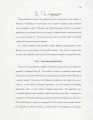
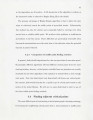
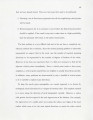
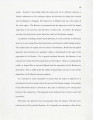
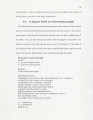
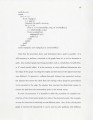
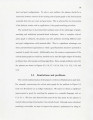
Show 20 lx(t)= { ~~~~ + t · w if llwll # 0 t . v if II w II = o (2.17) An element of se(3) ([w], v) is called a twist, and it generates a set of rigid body motions given by taking exp(t · ([w], v)). If we restrict llwll < 1r we can also define an inverse mapping log:SE(3)-t-se(3) given by (2.18) where (2.19) Tr(R)- 1 7/J = cos -1 ( 2 ) , 17/J I < 1f (2.20) A-1 = I_~[ ] 2 sin llwll - llwll (1 +cos llwll) [ ]2 2 w + llwll3 w (2.21) 2.6 Kinematic analysis We can develop a kinematic model of a robot by treating each joint as a screw axis. Recall that the forward kinematic equation for the end effector frame in terms of the base frame is given by 2.3 . If we write F~- 1 (xi) = MieTixi for suitable Ti E se(3) , Mi E SE(3) we can rewrite 2.3 as: (2.22) Repeatedly applying the matrix identity M( eT)M-1 = eMTM-1 leads to (2.23) The equation above represents the end effector frame as a concatenation of screw motions, with the rotation about each screw axis given by the value of the joint |