| Title |
Robert L. Hammar, St. George, Utah: an interview by Winston Erickson, September 8, 2000: Saving the Legacy tape no. 104 |
| Alternative Title |
Robert L. Hammar, Saving the legacy: an oral history of Utah's World War II veterans, ACCN 2070, American West Center, University of Utah |
| Creator |
Hammar, Robert L., 1922-2007 |
| Contributor |
Erickson, Winston P., 1943-; University of Utah. American West Center |
| Publisher |
Digitized by J. Willard Marriott Library, University of Utah |
| Date |
2000-09-08 |
| Date Digital |
2015-12-16 |
| Access Rights |
I acknowledge and agree that all information I obtain as a result of accessing any oral history provided by the University of Utah's Marriott Library shall be used only for historical or scholarly or academic research purposes, and not for commercial purposes. I understand that any other use of the materials is not authorized by the University of Utah and may exceed the scope of permission granted to the University of Utah by the interviewer or interviewee. I may request permission for other uses, in writing to Special Collections at the Marriott Library, which the University of Utah may choose grant, in its sole discretion. I agree to defend, indemnify and hold the University of Utah and its Marriott Library harmless for and against any actions or claims that relate to my improper use of materials provided by the University of Utah. |
| Spatial Coverage |
Italy |
| Subject |
Hammar, Robert L., 1922-2007--Interviews; Veterans--Utah--Biography; World War, 1939-1945--Personal narratives, American; World War, 1939-1945--Aerial operations, American; World War, 1939-1945--Campaigns--Europe, Southern--Personal narratives, American; Bomber pilots--Biography |
| Keywords |
Army Air Corps; B-25 bomber; Mitchell bomber; Monte Cassino; Corsica; Rome; Flight instructors |
| Description |
Transcript (48 pages) of an interview by Winston Erickson with Robert L. Hammar on September 8, 2000. From tape number 104 in the "Saving the Legacy" Oral History Project |
| Collection Number and Name |
Accn2070, Saving the Legacy oral history project, 2001-2010 |
| Abstract |
Hammar (1922-2007) recalls his childhood in Youngston, Ohio. He graduated from high school in 1940 and attended East Nazarene College in Allston, Massachusetts. He was sworn into the Air Corps in 1942, passed the flight test and physical, and completed flight training in 1943. Originally assigned to P-38s but requested a transfer to B-25s. He flew his plane, "Shat's Cookin" on sixty combat missions and left the Air Corps in 1944. Interviewed by Winston Erickson. 48 pages. |
| Type |
Text |
| Genre |
oral histories (literary works) |
| Format |
application/pdf |
| Extent |
48 pages |
| Language |
eng |
| Rights |
 |
| Scanning Technician |
Mazi Rakhsha |
| Conversion Specifications |
Original scanned with Kirtas 2400 and saved as 400 ppi uncompressed TIFF. PDF generated by Adobe Acrobat Pro X for CONTENTdm display |
| ARK |
ark:/87278/s6fv0p47 |
| Topic |
Personal narratives--American; Veterans; World War (1939-1945); Military operations, Aerial--American; Bomber pilots |
| Setname |
uum_slohp |
| ID |
1030487 |
| Reference URL |
https://collections.lib.utah.edu/ark:/87278/s6fv0p47 |
| Title |
Page 40 |
| Format |
application/pdf |
| Setname |
uum_slohp |
| ID |
1030477 |
| OCR Text |
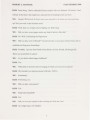
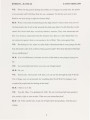
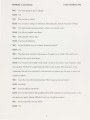
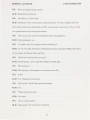
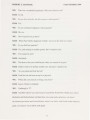
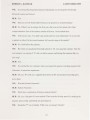
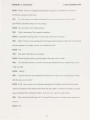
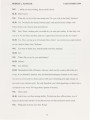
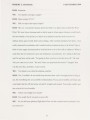
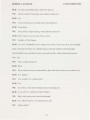
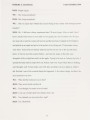
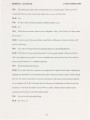
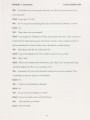
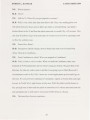
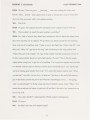
Show ROBERT L. H MM R B ~ R 200 RLH: Oh we had a little rest camp up in northern or ica it call d th I I t I Napoleon Bonaparte. Napoleon was born in Corsica. o thi was a nic place t g fi r a day or two. It was up on the northern edge and close to the sea there. Peaceful· quiet. WE: Do you have any other experiences that you'd like to relate? RLH: I did have a comical experience. It may not be funny now but it was kind of comical then. When I was flying the 38s from Tunis down to Algiers in the P-38s to deliver some maps and as I was checking out of operations, there was a young sailor standing there and he said, "Where you heading for, Lieutenant?" I said, "I'm going up to Tunis." Well, he said, "My ships up at Bizerte. Can I bum a ride with you?" I said, "Sure." Because the feedback was _[unclear]_ we called them the piggyback. We'd taken the radio stuff out from under the seat back there. So we went out to the flight line and every airplane you can imagine the Allies had in World War II was parked out there, but we pulled up back of the P-38 and his eyes kind of bugged out. So I got him in and I said, "Have you ever been in a plane before?" "No, sir." Well, I had to show him a few things. Ifwe would see an Arab riding up a dirt road on a donkey, we had to make him bail off of it. Just stupid things like a young kid-I was young then-we'd get up a couple thousand feet and if we'd see a native hut down there with a thatched roof on it, we would have to blow that roof off, you know. And then buzzing the beach and just kicking up sand behind you. But then I had to do a fighter pull-up when I landed, was going to land. I looked in the rear view mirror of the cockpit and he was a kind of a greenish shade. So I pulled up and did a few "Gs". I had to help him off the wing; he was a little weak in the knees (laughs). But I wouldn't do that now. WE: No (laughs). 39 |
| Reference URL |
https://collections.lib.utah.edu/ark:/87278/s6fv0p47/1030477 |