| Title |
Robert L. Hammar, St. George, Utah: an interview by Winston Erickson, September 8, 2000: Saving the Legacy tape no. 104 |
| Alternative Title |
Robert L. Hammar, Saving the legacy: an oral history of Utah's World War II veterans, ACCN 2070, American West Center, University of Utah |
| Creator |
Hammar, Robert L., 1922-2007 |
| Contributor |
Erickson, Winston P., 1943-; University of Utah. American West Center |
| Publisher |
Digitized by J. Willard Marriott Library, University of Utah |
| Date |
2000-09-08 |
| Date Digital |
2015-12-16 |
| Access Rights |
I acknowledge and agree that all information I obtain as a result of accessing any oral history provided by the University of Utah's Marriott Library shall be used only for historical or scholarly or academic research purposes, and not for commercial purposes. I understand that any other use of the materials is not authorized by the University of Utah and may exceed the scope of permission granted to the University of Utah by the interviewer or interviewee. I may request permission for other uses, in writing to Special Collections at the Marriott Library, which the University of Utah may choose grant, in its sole discretion. I agree to defend, indemnify and hold the University of Utah and its Marriott Library harmless for and against any actions or claims that relate to my improper use of materials provided by the University of Utah. |
| Spatial Coverage |
Italy |
| Subject |
Hammar, Robert L., 1922-2007--Interviews; Veterans--Utah--Biography; World War, 1939-1945--Personal narratives, American; World War, 1939-1945--Aerial operations, American; World War, 1939-1945--Campaigns--Europe, Southern--Personal narratives, American; Bomber pilots--Biography |
| Keywords |
Army Air Corps; B-25 bomber; Mitchell bomber; Monte Cassino; Corsica; Rome; Flight instructors |
| Description |
Transcript (48 pages) of an interview by Winston Erickson with Robert L. Hammar on September 8, 2000. From tape number 104 in the "Saving the Legacy" Oral History Project |
| Collection Number and Name |
Accn2070, Saving the Legacy oral history project, 2001-2010 |
| Abstract |
Hammar (1922-2007) recalls his childhood in Youngston, Ohio. He graduated from high school in 1940 and attended East Nazarene College in Allston, Massachusetts. He was sworn into the Air Corps in 1942, passed the flight test and physical, and completed flight training in 1943. Originally assigned to P-38s but requested a transfer to B-25s. He flew his plane, "Shat's Cookin" on sixty combat missions and left the Air Corps in 1944. Interviewed by Winston Erickson. 48 pages. |
| Type |
Text |
| Genre |
oral histories (literary works) |
| Format |
application/pdf |
| Extent |
48 pages |
| Language |
eng |
| Rights |
 |
| Scanning Technician |
Mazi Rakhsha |
| Conversion Specifications |
Original scanned with Kirtas 2400 and saved as 400 ppi uncompressed TIFF. PDF generated by Adobe Acrobat Pro X for CONTENTdm display |
| ARK |
ark:/87278/s6fv0p47 |
| Topic |
Personal narratives--American; Veterans; World War (1939-1945); Military operations, Aerial--American; Bomber pilots |
| Setname |
uum_slohp |
| ID |
1030487 |
| Reference URL |
https://collections.lib.utah.edu/ark:/87278/s6fv0p47 |
| Title |
Page 5 |
| Format |
application/pdf |
| Setname |
uum_slohp |
| ID |
1030442 |
| OCR Text |
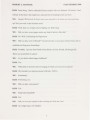
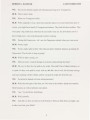
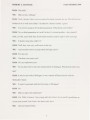
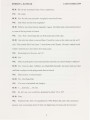
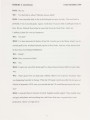
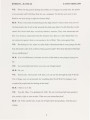
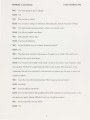
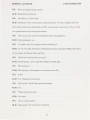
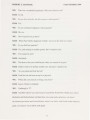
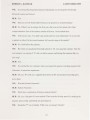
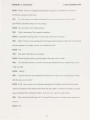
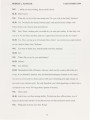
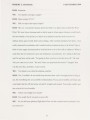
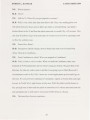
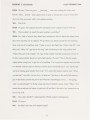
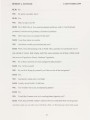
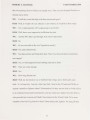
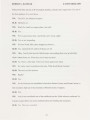
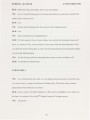
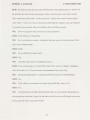
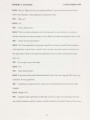
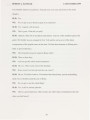
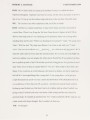
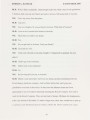
Show ROB RT L. HAMM R 8 P MB R 2000 WE: o you just had the regular all-American growing up in Youngst wn. RLH: Thats what I think. WE: What was Youngstown like? RLH: Well, originally it was a steel town and they had a lot of steel mills there and, of course, you might have heard of Youngstown kitchens. They built kitchen modules. They were quite a big outfit there. But then the steel mills went out. So down there now it's kind of high-tech. A lot of professionals in there working. WE: During the Depression-let's see, the Depression started when you were seven. RLH: Seven, eight. WE: Seven, eight, right in there. How did your dad's furniture business go during the Depression? Was he able to keep it going? RLH: Well, he kept it going, yes. WE: Did you notice a radical change in economic status during that time? RLH: Oh, yes. In fact, the city paid in city script. They didn't have federal currency, so to speak. So they were paid in script. And my dad did a lot of work for the home savings and loan, cleaning window shades, and he was paid in script also from the city. WE: So he had to branch out from selling furniture? RLH: Well, that was part of the firm, too. We were in the window shade and venetian blind business as well as furniture and carpets. WE: I see. You did home furnishings. RLH: Well, partially. WE: And did you have an interest in the business? Did you think that you might want to take over from your father? 4 |
| Reference URL |
https://collections.lib.utah.edu/ark:/87278/s6fv0p47/1030442 |