| Title |
Paul Franke, Salt Lake City, Utah: an interview by Becky B. Lloyd, October 2, 2001: Saving the legacy tape no. 304 |
| Alternative Title |
Paul Franke, Saving the legacy: an oral history of Utah's World War II veterans, ACCN 2070, American West Center, University of Utah |
| Creator |
Franke, Paul, 1919-2014 |
| Contributor |
Lloyd, Becky B.; University of Utah. American West Center |
| Publisher |
Digitized by J. Willard Marriott Library, University of Utah |
| Date |
2001-10-02 |
| Date Digital |
2015-09-16 |
| Access Rights |
I acknowledge and agree that all information I obtain as a result of accessing any oral history provided by the University of Utah's Marriott Library shall be used only for historical or scholarly or academic research purposes, and not for commercial purposes. I understand that any other use of the materials is not authorized by the University of Utah and may exceed the scope of permission granted to the University of Utah by the interviewer or interviewee. I may request permission for other uses, in writing to Special Collections at the Marriott Library, which the University of Utah may choose grant, in its sole discretion. I agree to defend, indemnify and hold the University of Utah and its Marriott Library harmless for and against any actions or claims that relate to my improper use of materials provided by the University of Utah. |
| Spatial Coverage |
Salt Lake City, Salt Lake County, Utah, United States; Dugway, Tooele County, Utah, United States |
| Subject |
Franke, Paul, 1919-2014--Interviews; World War, 1939-1945--Personal narratives, American; Machinists--Biography; Veterans--Utah--Biography |
| Description |
Transcript (48 pages) of an interview by Becky B. Lloyd with Paul Franke on October 2, 2001. This is tape number 304 in the "Saving the Legacy Oral History Project |
| Collection Number and Name |
Accn2070, Saving the Legacy oral history project, 2001-2010 |
| Abstract |
Franke (b. 1919) recalls growing up in Utah during the Depression, working at Kennecott until he was drafted in 1944, and working as a machinist in the army. He was discharged in 1946. 48 pages. |
| Type |
Text |
| Genre |
oral histories (literary works) |
| Format |
application/pdf |
| Extent |
48 pages |
| Language |
eng |
| Rights |
 |
| Scanning Technician |
Mazi Rakhsha |
| Conversion Specifications |
Original scanned with Kirtas 2400 and saved as 400 ppi uncompressed TIFF. PDF generated by Adobe Acrobat Pro X for CONTENTdm display |
| ARK |
ark:/87278/s68s6p48 |
| Topic |
Personal narratives--American; Veterans; World War (1939-1945); Machinists |
| Setname |
uum_slohp |
| ID |
1026319 |
| Reference URL |
https://collections.lib.utah.edu/ark:/87278/s68s6p48 |
| Title |
Page 26 |
| Format |
application/pdf |
| Setname |
uum_slohp |
| ID |
1026295 |
| OCR Text |
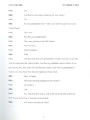
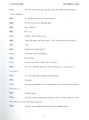
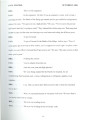
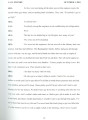
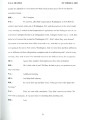
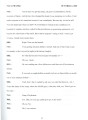
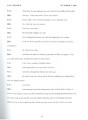
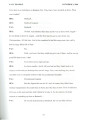
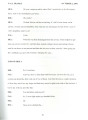
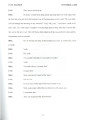
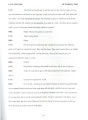
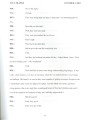
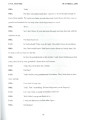
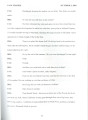
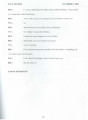
Show PAUL FRANKE OCTOBER 2, 2001 BBL: So they were just taking all the other guys in this engineer corps, the 60,000 other guys there, and just putting them in infantry. They said, "Everybody's got to go fight." HEL: PAU: BBL: HEL: PAU: HEL: Everybody but- Everybody except the engineers in air conditioning and refrigeration. Wow. The day he was drafted up at Fort Douglas, how many of you? Five of us out of five hundred. Five went into the engineers, the rest were all in the infantry that were drafted. And they had children. This Baumgartner family, Heber, had gone all through school with me, was my age, and he had a brand new baby that was only a couple of weeks old and he was drafted the same day Paul was up there. They all had to appear at the same day and it was sad to leave your families . 'Course, people are doing it now. But they' re all volunteers now. They joined on their own. BBL: I bet that was hard, with two kids. HEL: Oh, they gave us ninety dollars a month. I had to live on ninety dollars a month and I had to pay thirty-five dollars a month house payment here and had two children and myself to keep. I done pretty good till it got winter and I had to start buying coal for the furnace. We didn 't have gas down here or anything until after the war was over with. And I couldn' t make ends meet, so I had to get a job to make it work. But it was hard, hard times. Really hard times. I wouldn't want to go through that again. I've never been that tired in my life and I've never been that tired trying to get two little kids to a day nursery and be to work at eight o'clock in the morning. I don' t know, I guess 25 |
| Reference URL |
https://collections.lib.utah.edu/ark:/87278/s68s6p48/1026295 |