| Title |
Wayne Kimball, Salt Lake City, Utah: an interview by Becky B. Lloyd, March 28, 2001: Saving the legacy tape no. 200 |
| Alternative Title |
Wayne Kimball, Saving the legacy: an oral history of Utah's World War II veterans, ACCN 2070, American West Center, University of Utah |
| Creator |
Kimball, Wayne, 1925-2009 |
| Contributor |
Lloyd, Becky B.; University of Utah. American West Center |
| Publisher |
Digitized by J. Willard Marriott Library, University of Utah |
| Date |
2001-03-28 |
| Date Digital |
2015-09-16 |
| Access Rights |
I acknowledge and agree that all information I obtain as a result of accessing any oral history provided by the University of Utah's Marriott Library shall be used only for historical or scholarly or academic research purposes, and not for commercial purposes. I understand that any other use of the materials is not authorized by the University of Utah and may exceed the scope of permission granted to the University of Utah by the interviewer or interviewee. I may request permission for other uses, in writing to Special Collections at the Marriott Library, which the University of Utah may choose grant, in its sole discretion. I agree to defend, indemnify and hold the University of Utah and its Marriott Library harmless for and against any actions or claims that relate to my improper use of materials provided by the University of Utah. |
| Spatial Coverage |
Salt Lake City, Salt Lake County, Utah, United States; India |
| Subject |
Kimball, Wayne, 1925-2009--Interviews; World War, 1939-1945--Personal narratives, American; World War, 1939-1945--Aerial operations, American; Veterans--Utah--Biography |
| Description |
Transcript (39 pages) of an interview by Becky B. Lloyd with Wayne Kimball on March 28, 2001. This is from tape number 200 in the "Saving the Legacy Oral History Project |
| Collection Number and Name |
Accn2070, Saving the Legacy oral history project, 2001-2010 |
| Abstract |
Wayne Kimball (b. 1925) reminisces about growing up in Salt Lake City and working in the family laundry business until Pearl Harbor, when he enlisted in the Air Corps. He went to basic flight training in Bakersfield, California, and was assigned to air transport command, which was an aircraft delivery outfit. He later flew aircraft over "the Hump" from India. 39 pages. |
| Type |
Text |
| Genre |
oral histories (literary works) |
| Format |
application/pdf |
| Extent |
39 pages |
| Language |
eng |
| Rights |
 |
| Scanning Technician |
Mazi Rakhsha |
| Conversion Specifications |
Original scanned with Kirtas 2400 and saved as 400 ppi uncompressed TIFF. PDF generated by Adobe Acrobat Pro X for CONTENTdm display |
| ARK |
ark:/87278/s60884j4 |
| Topic |
Personal narratives--American; Veterans; World War (1939-1945); Military operations, Aerial--American |
| Setname |
uum_slohp |
| ID |
1025225 |
| Reference URL |
https://collections.lib.utah.edu/ark:/87278/s60884j4 |
| Title |
Page 12 |
| Format |
application/pdf |
| Setname |
uum_slohp |
| ID |
1025195 |
| OCR Text |
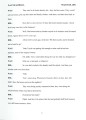
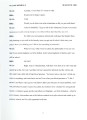
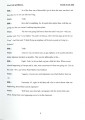
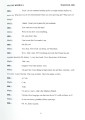
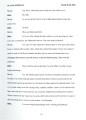
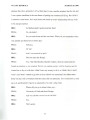
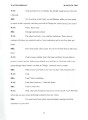
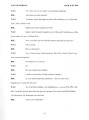
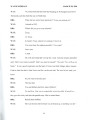
Show WAYNE KIMBALL MARCH 28,2001 WAY: BBL: WAY: school was. BBL: WAY: BBL: Yes, that's where they have South Salt Lake offices now. Oh. Huh. As you go up the freeway you're right against almost where the Uh-huh. Okay, go ahead, questions. Let's see. Also, during that time when you were growing up, when you were a young boy, the Depression was on. Was your family affected? WAY: Yes, and I've often made the comment that we were poor and I didn't know it. Dad had the laundry, that's when they started the laundry. Those who started it used to work for the Royal Laundry and they quit en masse and started their own, mortgaged their homes to get the money, to get the business going. They were all ambitious. BBL: That would be scary at that time. So your father was able to keep employed during- WAY: Yes. My brother and I used to work for a Chinaman named Ju Jin and his place was on the railroad tracks at Fourth East about Twenty-second South by the railroad that used to go up Park City. His farm was there against the railroad tracks. And so we spent, early on in life, raising celery, spinach, radishes, carrots. Ju Jin and his wife had a cart and they would push the cart around the neighborhood selling their products. When I started out my wage was two-and-a-half cents an hour and by the time we quit, or did something else, it was ten cents an hour. A real bargain. BBL: You were doing backbreaking work: weeding and planting? 10 |
| Reference URL |
https://collections.lib.utah.edu/ark:/87278/s60884j4/1025195 |