| Title |
Dale H. West, Provo, Utah: an interview by Winston P. Erickson, June 23, 2000: Saving the legacy tape no. 45 |
| Alternative Title |
Dale H. West, Saving the legacy: an oral history of Utah's World War II veterans, ACCN 2070, American West Center, University of Utah |
| Creator |
West, Dale H., 1918-2007 |
| Contributor |
Erickson, Winston P., 1943-; University of Utah. American West Center |
| Publisher |
Digitized by J. Willard Marriott Library, University of Utah |
| Date |
2000-06-23 |
| Date Digital |
2015-09-16 |
| Access Rights |
I acknowledge and agree that all information I obtain as a result of accessing any oral history provided by the University of Utah's Marriott Library shall be used only for historical or scholarly or academic research purposes, and not for commercial purposes. I understand that any other use of the materials is not authorized by the University of Utah and may exceed the scope of permission granted to the University of Utah by the interviewer or interviewee. I may request permission for other uses, in writing to Special Collections at the Marriott Library, which the University of Utah may choose grant, in its sole discretion. I agree to defend, indemnify and hold the University of Utah and its Marriott Library harmless for and against any actions or claims that relate to my improper use of materials provided by the University of Utah. |
| Spatial Coverage |
Utah County, Utah, United States; New Guinea; Philippines |
| Subject |
West, Dale H., 1918-2007--Interviews; World War, 1939-1945--Personal narratives, American; Veterans--Utah--Biography; World War, 1939-1945--Campaigns--Pacific Area--Personal narratives, American |
| Keywords |
7th Army Air Force; Radio; decoding |
| Description |
Transcript (28 pages) of an interview by Winston P. Erickson with Dale H. West on June 23, 2000. This is from tape number 45 in the "Saving the Legacy Oral History Project |
| Collection Number and Name |
Accn2070, Saving the Legacy oral history project, 2001-2010 |
| Abstract |
West (b. 1918) recalls his childhood in Provo, Utah, and describes getting a degree in English from Brigham Young University. He taught school for several years and eventually received both a master's degree and doctorate in English. He served in the Asiatic-Pacific Theater of Operations with the 7th Army Air Force. He describes intercepting and classifying enemy air-to-ground and point-to-point radio messages. He decoded and relayed information concerning weather conditions, enemy air action, and enemy administrative orders to locally-based air combat units. 28 pages. |
| Type |
Text |
| Genre |
oral histories (literary works) |
| Format |
application/pdf |
| Extent |
28 pages |
| Language |
eng |
| Rights |
 |
| Scanning Technician |
Mazi Rakhsha |
| Conversion Specifications |
Original scanned with Kirtas 2400 and saved as 400 ppi uncompressed TIFF. PDF generated by Adobe Acrobat Pro X for CONTENTdm display |
| ARK |
ark:/87278/s6sx8cdx |
| Topic |
Personal narratives--American; Veterans; World War (1939-1945) |
| Setname |
uum_slohp |
| ID |
1023445 |
| Reference URL |
https://collections.lib.utah.edu/ark:/87278/s6sx8cdx |
| Title |
Page 3 |
| Format |
application/pdf |
| Setname |
uum_slohp |
| ID |
1023417 |
| OCR Text |
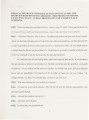
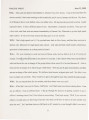
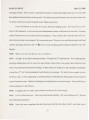
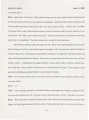
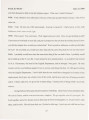
Show THIS IS AN INTERVIEW WITH DALE H. WEST ON JUNE 23, 2000. THE INTERVIEWER IS WINSTON P. ERICKSON. THIS PROJECT I FOR THE SAVING THE LEGACY: AN ORAL HISTORY OF UTAH'S WORLD WAR II VETERANS. WIN: This is an interview with Dale H. West. Today is June 23 , 2000. This is part of the Saving the Legacy Project, and I am Winston Erickson. Dale, where and when were you born? DAL: I was born March 6, 1918 in Provo. My father and mother had just come from Lynndyl which was the main railroad center of Utah at the time. He had worked there, and then they put him as station agent here in Provo in November of 191 7. I was born in 1918. He was called back to Lynndyl when the flu hit, the World War I flu. He left there to go back to Lynndyl to help because of the loss of people to the flu, but he got the flu and came back here. On Armistice Day he was feeling better, which was common with the flu. If you felt better then pneumonia, or whatever, would take over. He died a week later after the armistice. I was eight months old. So my mother and the other two children, my brother and sister, moved to Pleasant Grove with my grandfather. He turned out to be my father as I grew up. He was a Hilton. My younger brother was born 7-1/2 months later. So there were four of us. WIN: With four children did your mother ever remarry? DAL: Not until we were raised and gone. She felt that we were her primary responsibility. She did marry again, though. WIN: After all the children were grown? DAL: After they were all gone. WIN: So what did your grandfather do? 1 |
| Reference URL |
https://collections.lib.utah.edu/ark:/87278/s6sx8cdx/1023417 |