| Title |
Barbara Greenlee Toomer, West Valley City, Utah: an interview by Becky B. Lloyd, February 25, 2006: Saving the legacy tape no. 756 |
| Alternative Title |
Barbara Greenlee Toomer, Saving the legacy: an oral history of Utah's World War II veterans, ACCN 2070, American West Center, University of Utah |
| Creator |
Toomer, Barbara Greenlee, 1929- |
| Contributor |
Lloyd, Becky B.; University of Utah. American West Center |
| Publisher |
Digitized by J. Willard Marriott Library, University of Utah |
| Date |
2006-02-25 |
| Date Digital |
2015-09-16 |
| Access Rights |
I acknowledge and agree that all information I obtain as a result of accessing any oral history provided by the University of Utah's Marriott Library shall be used only for historical or scholarly or academic research purposes, and not for commercial purposes. I understand that any other use of the materials is not authorized by the University of Utah and may exceed the scope of permission granted to the University of Utah by the interviewer or interviewee. I may request permission for other uses, in writing to Special Collections at the Marriott Library, which the University of Utah may choose grant, in its sole discretion. I agree to defend, indemnify and hold the University of Utah and its Marriott Library harmless for and against any actions or claims that relate to my improper use of materials provided by the University of Utah. |
| Spatial Coverage |
Fort Bragg, North Carolina, United States; Salt Lake City, Salt Lake County, Utah, United States |
| Subject |
Toomer, Barbara Greenlee, 1929- --Interviews; World War, 1939-1945--Personal narratives, American; Veterans--Utah--Biography; United States--Army Nurse Corps |
| Keywords |
Girl Scouts; Nurses; Polio; Activists |
| Description |
Transcript (43 pages) of an interview by Becky B. Lloyd with Barbara Toomer on February 25, 2006. This is from tape number 756 in the "Saving the Legacy Oral History Project |
| Collection Number and Name |
Accn2070, Saving the Legacy oral history project, 2001-2010 |
| Abstract |
Barbara Toomer (b. 1929) was born in Pasadena, California. She received her RN in 1952 from St. Joseph's College of Nursing in San Francisco, California. She joined the Army in 1953 and took basic training at Fort Sam Houston in San Antonio, Texas. She served at Fort Bragg, North Carolina, until her discharge in 1955. She contracted polio in 1956 and has been confined to a wheelchair since that time. She is a successful activist, petitioning for the rights of the disabled. 43 pages. |
| Type |
Text |
| Genre |
oral histories (literary works) |
| Format |
application/pdf |
| Extent |
43 pages |
| Language |
eng |
| Rights |
 |
| Scanning Technician |
Mazi Rakhsha |
| Conversion Specifications |
Original scanned with Kirtas 2400 and saved as 400 ppi uncompressed TIFF. PDF generated by Adobe Acrobat Pro X for CONTENTdm display |
| ARK |
ark:/87278/s6j985pn |
| Topic |
Personal narratives--American; Veterans; World War (1939-1945); United States. Army Nurse Corps |
| Setname |
uum_slohp |
| ID |
1022466 |
| Reference URL |
https://collections.lib.utah.edu/ark:/87278/s6j985pn |
| Title |
Page 35 |
| Format |
application/pdf |
| Setname |
uum_slohp |
| ID |
1022456 |
| OCR Text |
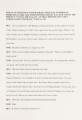
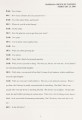
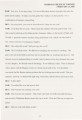
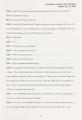
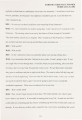
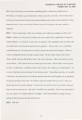
Show B RB BAR: Y and no. W ll yes I gu ss it was all the time. I r m mb r th t ry ld m wa there much more than a five or ten minute lull. But you ha e t realize the guy were jumping out of airplanes. These guys were twenty-one or twenty-two year old. They were diving into ponds that they shouldn t have dived into. They were breaking their necks. They were breaking their arms. They were breaking their legs. They were driving fast. Paratroopers are dangerous people. They live with danger and they love danger. They're almost like sixteen-year olds. "Nothing will ever happen to me. I'm invincible." So, yes, it was always busy with one thing or another. BEC: But then you also treated dependents and everybody else? BAR: Yes, we did the whole bunch. But, unfortunately, dependents, unless there was a real emergency, like a kid with a fever of 105, we'd certainly take care of him right away. But, generally, the troops came first. That was just the way it was and the way it should have been. BEC: Towards the end of your time, you finally got an assignment to go overseas. Was that something that you would have liked? BAR: I would have liked to have gotten it a year earlier, yes. Ross got assigned to Vietnam. At that time, it was just after the French left Dien Bien Phu and he got assigned as an advisor over there, thanks to President Eisenhower. So he was over there for a year. BEC: Is that right? BAR: So you need to know that President Eisenhower is the one who started sending guys to Vietnam. He's the one who got it started. The other guys all took the fall for it, but he started it. 34 |
| Reference URL |
https://collections.lib.utah.edu/ark:/87278/s6j985pn/1022456 |