| Title |
Barbara Greenlee Toomer, West Valley City, Utah: an interview by Becky B. Lloyd, February 25, 2006: Saving the legacy tape no. 756 |
| Alternative Title |
Barbara Greenlee Toomer, Saving the legacy: an oral history of Utah's World War II veterans, ACCN 2070, American West Center, University of Utah |
| Creator |
Toomer, Barbara Greenlee, 1929- |
| Contributor |
Lloyd, Becky B.; University of Utah. American West Center |
| Publisher |
Digitized by J. Willard Marriott Library, University of Utah |
| Date |
2006-02-25 |
| Date Digital |
2015-09-16 |
| Access Rights |
I acknowledge and agree that all information I obtain as a result of accessing any oral history provided by the University of Utah's Marriott Library shall be used only for historical or scholarly or academic research purposes, and not for commercial purposes. I understand that any other use of the materials is not authorized by the University of Utah and may exceed the scope of permission granted to the University of Utah by the interviewer or interviewee. I may request permission for other uses, in writing to Special Collections at the Marriott Library, which the University of Utah may choose grant, in its sole discretion. I agree to defend, indemnify and hold the University of Utah and its Marriott Library harmless for and against any actions or claims that relate to my improper use of materials provided by the University of Utah. |
| Spatial Coverage |
Fort Bragg, North Carolina, United States; Salt Lake City, Salt Lake County, Utah, United States |
| Subject |
Toomer, Barbara Greenlee, 1929- --Interviews; World War, 1939-1945--Personal narratives, American; Veterans--Utah--Biography; United States--Army Nurse Corps |
| Keywords |
Girl Scouts; Nurses; Polio; Activists |
| Description |
Transcript (43 pages) of an interview by Becky B. Lloyd with Barbara Toomer on February 25, 2006. This is from tape number 756 in the "Saving the Legacy Oral History Project |
| Collection Number and Name |
Accn2070, Saving the Legacy oral history project, 2001-2010 |
| Abstract |
Barbara Toomer (b. 1929) was born in Pasadena, California. She received her RN in 1952 from St. Joseph's College of Nursing in San Francisco, California. She joined the Army in 1953 and took basic training at Fort Sam Houston in San Antonio, Texas. She served at Fort Bragg, North Carolina, until her discharge in 1955. She contracted polio in 1956 and has been confined to a wheelchair since that time. She is a successful activist, petitioning for the rights of the disabled. 43 pages. |
| Type |
Text |
| Genre |
oral histories (literary works) |
| Format |
application/pdf |
| Extent |
43 pages |
| Language |
eng |
| Rights |
 |
| Scanning Technician |
Mazi Rakhsha |
| Conversion Specifications |
Original scanned with Kirtas 2400 and saved as 400 ppi uncompressed TIFF. PDF generated by Adobe Acrobat Pro X for CONTENTdm display |
| ARK |
ark:/87278/s6j985pn |
| Topic |
Personal narratives--American; Veterans; World War (1939-1945); United States. Army Nurse Corps |
| Setname |
uum_slohp |
| ID |
1022466 |
| Reference URL |
https://collections.lib.utah.edu/ark:/87278/s6j985pn |
| Title |
Page 19 |
| Format |
application/pdf |
| Setname |
uum_slohp |
| ID |
1022440 |
| OCR Text |
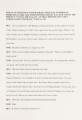
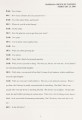
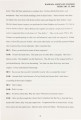
Show BE : Did th nun liv in the arne area? BAR: No they lived in a separate place. BRB BEC: o the building you were in was just strictly for nursing stud nt ? BAR: It was strictly nurses. BEC: They probably had three classes of nurses in there at any one time. BAR: Yes it was three years. BEC: Did they have any kind of initiation that you had to go through? BAR: No. Except for putting us on duty all the time. BEC: You got the crummy duty? BAR: We got the crummy duty, but I don't remember any other initiation kinds of things. BEC: You said you were in classes all day? BAR: We were in classes all day. Then most of us went on duty eleven to seven. BEC: Oh, really? BAR: The shifts were divided eleven to seven, seven to three, three to eleven. Some of the students went on three to eleven, but most of us did the overnight duty. I don't know, when you stop to think about it, doctors nowadays-well, I don't know about nowadays-but doctors at that time, when they were residents, they were on duty twentyfour or forty-eight hours straight. They just never got to sleep. So in a way, maybe they were just breaking us in. I don't know what they were doing, but I do know, remembering those first three weeks and I do remember thinking-because we lost one gal; she left. Actually, we started with twenty. We lost three. One of them got married, and you couldn't be married. Another one died, because Scotty was pregnant and she 18 |
| Reference URL |
https://collections.lib.utah.edu/ark:/87278/s6j985pn/1022440 |