| OCR Text |
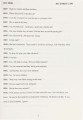
Show RO BI GLE: A beautiful city, we've been back there. Th r1 r run t u hit n a big castle sits up on the top. ROY: I've been there five times. BEC: It's nicer there when it's not winter? ROY: It was spring then. It was rainy. BEC: March? n ROY: April. The first part of April. It was warm then, but it does rain a lot over there in spring. Anyway this city, Wurzburg, Hitler made up his mind that he wasn t going to give any more cities away. But the RAF bombed this city for five straight days. After, they said there were no Germans in there. So we went in, and that's the day I was wounded. We didn't lose-oh, we lost quite a few men we heard later. Of course, you shouldn't say that, but they said we killed more than a thousand Germans that day. Whether or not we did, I don't know. But that's what they told us. That's where I was wounded. That's where the war ended for me, as far as the fighting. BEC: I was wondering, when you said that you got to ride tanks, I wondered if you were thinking, "This is great. I don't have to walk," or if you were thinking, "This is taking me deeper into German territory?" ROY: Well, that's what we were after. Plus, when you were with tanks, you got a little support. But after the 15th of March, that's when they started taking prisoners, you know. You had fighting in places, but it wasn't every day like it was before. BEC: Do you remember a big change in the way you felt about things during that time? ROY: Oh, yes. I remember someone said, "Oh, the war will be over the first of April." It wasn't. Anyway, everyone knew. The Germans knew then, I think. 19 |