| Title |
Glenn H. Parkin, North Salt Lake City, Utah: an interview by Joel C. Calderon, 17 September 2001: Saving the legacy tape no. 315 |
| Alternative Title |
Glenn H. Parkin, Saving the legacy: an oral history of Utah's World War II veterans, ACCN 2070, American West Center, University of Utah |
| Creator |
Parkin, Glenn H., 1922-2014 |
| Contributor |
Calderon, Joel C.; University of Utah. American West Center |
| Publisher |
Digitized by J. Willard Marriott Library, University of Utah |
| Date |
2001-09-17 |
| Date Digital |
2015-09-16 |
| Access Rights |
I acknowledge and agree that all information I obtain as a result of accessing any oral history provided by the University of Utah's Marriott Library shall be used only for historical or scholarly or academic research purposes, and not for commercial purposes. I understand that any other use of the materials is not authorized by the University of Utah and may exceed the scope of permission granted to the University of Utah by the interviewer or interviewee. I may request permission for other uses, in writing to Special Collections at the Marriott Library, which the University of Utah may choose grant, in its sole discretion. I agree to defend, indemnify and hold the University of Utah and its Marriott Library harmless for and against any actions or claims that relate to my improper use of materials provided by the University of Utah. |
| Spatial Coverage |
Guadalcanal, Marshall Islands |
| Subject |
Parkin, Glenn H., 1922-2014--Interviews; World War, 1939-1945--Personal narratives, American; Veterans--Utah--Biography; World War, 1939-1945--Naval operations, American; World War, 1939-1945--Campaigns--Pacific Area--Personal narratives, American |
| Description |
Transcript (30 pages) of an interview by Joel C. Calderon with Glenn H. Parkin on September 17, 2001. This is from tape number 315 in the "Saving the Legacy Oral History Project |
| Collection Number and Name |
Accn2070, Saving the Legacy oral history project, 2001-2010 |
| Abstract |
Parkin (b. 1922) recalls his childhood in North Salt Lake. He entered the U.S. Navy in February 1941 and was assigned to the Northampton, which was sunk at Guadalcanal. He later served on the Hoel. Parkin recalls experiences in the Marshall and Gilbert Islands, Bougainville, Wake, Marcus, Midway, Tassafaronga, Palau, and the Battle of Leyte Gulf. He appeared on the History Channel's . 30 pages. |
| Type |
Text |
| Genre |
oral histories (literary works) |
| Format |
application/pdf |
| Extent |
30 pages |
| Language |
eng |
| Rights |
 |
| Scanning Technician |
Mazi Rakhsha |
| Conversion Specifications |
Original scanned with Kirtas 2400 and saved as 400 ppi uncompressed TIFF. PDF generated by Adobe Acrobat Pro X for CONTENTdm display |
| ARK |
ark:/87278/s6q25zgg |
| Topic |
Personal narratives--American; Veterans; World War (1939-1945); Military operations, Naval--American |
| Setname |
uum_slohp |
| ID |
1021620 |
| Reference URL |
https://collections.lib.utah.edu/ark:/87278/s6q25zgg |
| Title |
Page 27 |
| Format |
application/pdf |
| Setname |
uum_slohp |
| ID |
1021614 |
| OCR Text |
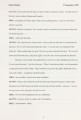
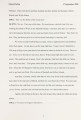
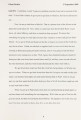
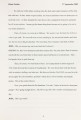
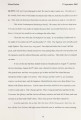
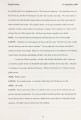
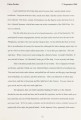
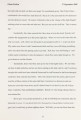
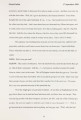
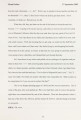
Show Glenn Parkin 17 ept mb r200 The ships went due west at flank speed all night long. The next morning w launched aircraft. Now if the Japanese had known we were out there they would have hit us in the morning. I know damn well they would have done. So does everybody else. They didn't hit us. But that's when they launched aircraft. Hell, we could have probably been steamed another four hours, another six hours due west and closed that gap, but we didn't. Was that a right decision or a wrong decision? It's kind of hard to say, isn't it? All right, so we launched the aircraft. We made a one hundred and eighty degree turn and hauled ass at flank speed due east. Twenty-four hours later we came in contact with our destroyers. We slowed down the thirteen knots, and went back to Pearl. We got up around Midway and we started picking up speed again because they were getting feedback from information of what was happening down at the Coral Sea. It just seemed like we were just at one end of that Pacific to the other. But it was a good thing. Then, of course, later on they brought a couple of the battleships from the east coast, the battleship Washington-! think the Wisconsin--was the same, but I can't place it. JOEL: I thought the Wisconsin was in New Jersey class. GLENN: Well, it could have been because they didn't come out until '43. See, so that was the years. In fact, when the Northampton got sunk, then a lot of the men that went back there on Boston were-a lot of the cruisers that had been sunk down in the Southwest Pacific, the light cruisers, the anti-aircraft cruisers, etc.--a lot of them were aboard the Boston. Oh, we get into some pretty good jam sessions at night, you know. Oh, really, we were just sitting outside the arena a little bit the night that the San Francisco, the Juneau, 25 |
| Reference URL |
https://collections.lib.utah.edu/ark:/87278/s6q25zgg/1021614 |