| OCR Text |
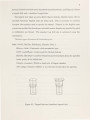
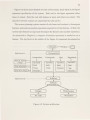
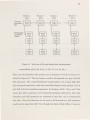
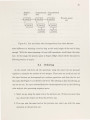
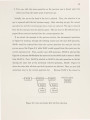
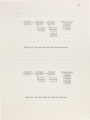
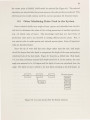
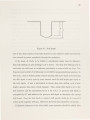
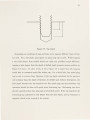
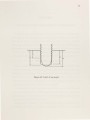
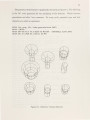
Show 3 the center point of Sdrill3, Drill3 would be selected like Figure 6.6. The select d operations are inserted into the process queue in the order as they are selected. This selection process would continue until the current operation list becomes empty. 6.5 Other Machining Rules Used in the System Some technical details were acquired from experts and embedded into the first rule level to determine the values of the cutting parameters of machine operations (e.g. cut depth, type of tools.) This knowledge itself does not have forms of production rules and is not involved in making efficient process plans. But, it was used as rules to makes precise and rational process plans. Some of important rules are described below. Since the tip of twist drill has conic shape rather than flat end, drill depth should be deeper than hole depth to compensate the depth of the cone and produce cylindrical hole of the hole depth. Figure 6.7 describes a drilled hole. Hole depth is h, and then minimum required drill depth should be d. In the system, the cone angle was assumed to be 118 degree and the depth of cone was calculated from the angle. The depth of cone is added to the hole depth resulting in the drill depth. In Process queue Sdrill1 Sdrill2 Sdrill3 Drill3 Figure 6.6. List and stacks after the fourth selection |