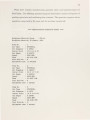
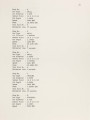
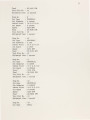
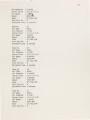
| OCR Text |
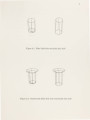
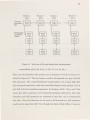
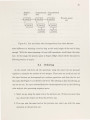
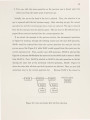
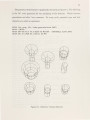
Show drilled hole. Chamfer <number> Width or depth of a 45 degree chamfer. Thru <flag> Indicates whether or not the hole extends thru the material. Metric <flag> Indicates whether the thread is being given in threads per inch or metric pitch (millimeters per thread). 2.2 Machining Process of Features Machining a feature requires a sequence of machine operations. In order to cut a plain hole, for example, spot drill should be done first at center point and then the hole should be drilled with a twist drill. After drilling, the hole may be chamfered with countersink tool if chamfer is specified in the feature of the plain hole. Likewise, counterbored hole and tapped hole may be chamfered after counterbore and tap, respectively. Countersink is used to make chamfer. Thus, countersunk hole is not chamfered. In machining a plain hole, a counterbored hole, or a countersunk hole, reaming operations is added to the cutting sequence after drilling the hole with smaller diameter than the hole diameter if clean surface finish is desired. Additional chamfering and reaming results in several choices of cutting sequences for a feature. Possible set of cutting sequence for each feature is: • plain hole 1. spot drill and drill 2. spot drill, drill, and countersink 3. spot drill, drill, and ream 4. spot drill, drill, ream, and countersink • counterbored hole |