| Title |
Rabbi Eric Silver, Interviews with Jews in Utah, Accn 998 |
| Alternative Title |
Accn 998, Interviews with Jews in Utah, Rabbi Eric Silver |
| Description |
Transcript (210 pages) of interviews by Leslie Kelen with Eric Silver in 1986 for the Interviews with Jews in Utah Oral History Project. |
| Creator |
Silver, Eric, 1942- |
| Contributor |
Kelen, Leslie G., 1949-; Oral History Institute |
| Publisher |
Digitized by J. Willard Marriott Library, University of Utah |
| Date |
1986-02-13; 1986-02-20; 1986-02-26; 1986-03-10; 1986-03-17; 1986-04-03; 1986-04-07 |
| Date Digital |
2015-07-06 |
| Access Rights |
I acknowledge and agree that all information I obtain as a result of accessing any oral history provided by the University of Utah's Marriott Library shall be used only for historical or scholarly or academic research purposes, and not for commercial purposes. I understand that any other use of the materials is not authorized by the University of Utah and may exceed the scope of permission granted to the University of Utah by the interviewer or interviewee. I may request permission for other uses, in writing to Special Collections at the Marriott Library, which the University of Utah may choose grant, in its sole discretion. I agree to defend, indemnify and hold the University of Utah and its Marriott Library harmless for and against any actions or claims that relate to my improper use of materials provided by the University of Utah. |
| Spatial Coverage |
Salt Lake City, Salt Lake County, Utah, United States, http://sws.geonames.org/5780993 |
| Subject |
Jews, American--Utah--Interviews; Silver, Eric, 1942- --Interviews; Jews--Social life and customs; Hebrew Union College-Jewish Institute of Religion; Reform Judaism--United States; Judaism--Study and teaching |
| Abstract |
Silver (b. 1942) was the subject of seven interviews conducted by Leslie Kelen. In the first interview, Silver talks about his family background, his father's Hasidic upbringing, the pre-World War II immigration of his parents, talks about his own childhood. The next two interviews contain information on Silver's education, his seven years of Naval service (beginning in 1963), his experiences at Hebrew Union College, the spiritual responsibility involved in the rabbinate, and what it meant to go to a reform, rather than conservative or orthodox college. The remainder of the interviews focus on Silver's experiences as a rabbi and on the congregations and people he has served. Topics covered include interfaith marriages, how rabbis are placed, conflicts between reform and conservative components of the community, the "lost generation" of children veering away from their Jewish roots, his evaluation by the board of Kol Ami, the differences between being a rabbi and being a leader, and his decision to leave the congregation Kol Ami after five years. 210 pages. |
| Type |
Text |
| Genre |
oral histories (literary works) |
| Format |
application/pdf |
| Extent |
210 pages |
| Language |
eng |
| Rights |
 |
| Is Part of |
Interviews with Jews in Utah collection, 1982-1988, http://archiveswest.orbiscascade.org/ark:/80444/xv70657/ |
| Scanning Technician |
Niko Amaya; Halima Noor |
| Conversion Specifications |
Original scanned with Kirtas 2400 and saved as 400 ppi uncompressed TIFF. PDF generated by Adobe Acrobat Pro X for CONTENTdm display |
| ARK |
ark:/87278/s6m924cj |
| Topic |
Jews, American; Jews--Social life and customs; Hebrew Union College-Jewish Institute of Religion; Reform Judaism; Judaism--Study and teaching |
| Setname |
uum_iju |
| ID |
905322 |
| Reference URL |
https://collections.lib.utah.edu/ark:/87278/s6m924cj |
| Title |
Page 208 |
| Format |
application/pdf |
| Setname |
uum_iju |
| ID |
905318 |
| OCR Text |
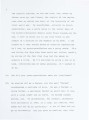
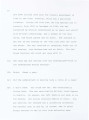
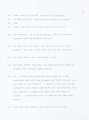
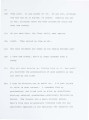
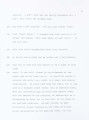
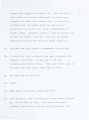
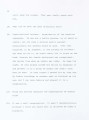
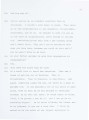
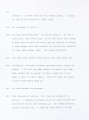
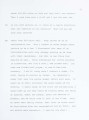
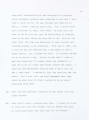
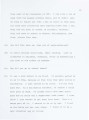
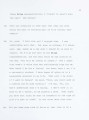
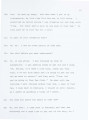
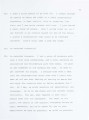
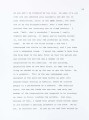
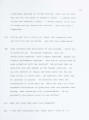
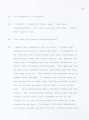
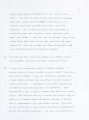
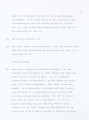
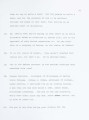
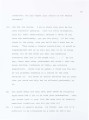
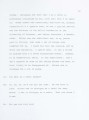
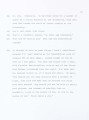
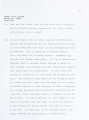
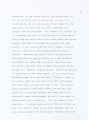
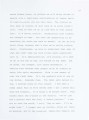
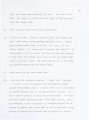
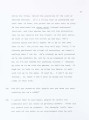
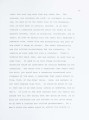
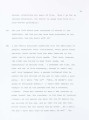
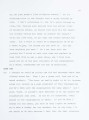
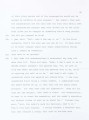
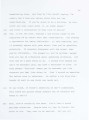
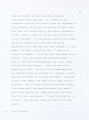
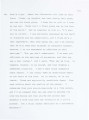
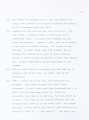
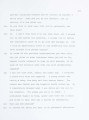
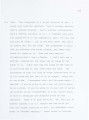
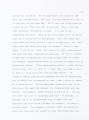
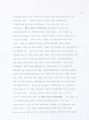
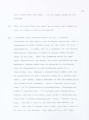
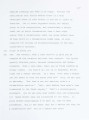
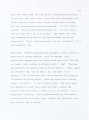
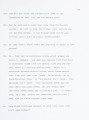
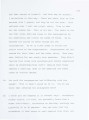
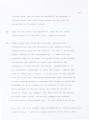
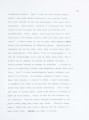
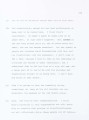
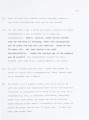
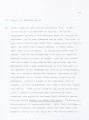
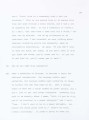
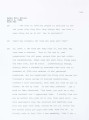
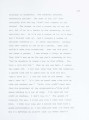
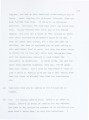
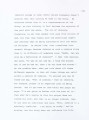
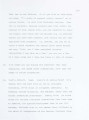
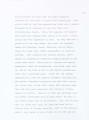
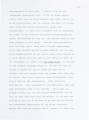
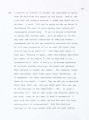
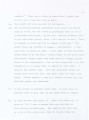
Show Rabbi Eric Silver Side Three ES: . that the rabbi is the person who is best in a position to make that happen. One could well ask the question, "Did you achieve that?" und the answer is no, I obviously haven't achieved it and that's why I'm leaving. I haven't achieved it to the extent that I vvould like. I've achieved it at a micro-level. And you could ask the guest ion, " ~ louldn' t it have been better to stay on here, because after all, the guy they bring in here, let's say he will be smart enough to know where his bread is buttered, and he'll do it. Or he won't do it and he'll let things go on, he'll just hold on to his job and things won't change." !-1y response to that is yes, ok, fine, that may happen, but at least I won't have done it. If these things happen in this community, and I think that would be all to the bad, it will have to be someone else's sin and not mine . This isn't a question of abandoning the community. I left only when it became apparent that as things were going I would not be able to continue to lead as I felt it important to lead. And I've been very honest and up front with the communities that I've been interviewing with, telling them this is \vhat I am, this is who I a~, this is what I regard as important, these are the areas where we are likely to experience 207 |
| Reference URL |
https://collections.lib.utah.edu/ark:/87278/s6m924cj/905318 |