| Title |
Betsy Anne Bamberger Lesser, Interviews with Jews in Utah, Accn 998 |
| Alternative Title |
Accn 998, Interviews with Jews in Utah, Betsy Anne Bamberger Lesser |
| Description |
Transcript (104 pages) of interview by Leslie Kelen with Betsy Lesser on January 1, 1927 for the Interviews with Jews in Utah Oral History Project. |
| Creator |
Lesser, Betsy Anne Bamberger, 1922- |
| Contributor |
Kelen, Leslie G., 1949-; Oral History Institute |
| Publisher |
Digitized by J. Willard Marriott Library, University of Utah |
| Date |
1983-01-27 |
| Date Digital |
2015-07-06 |
| Access Rights |
I acknowledge and agree that all information I obtain as a result of accessing any oral history provided by the University of Utah's Marriott Library shall be used only for historical or scholarly or academic research purposes, and not for commercial purposes. I understand that any other use of the materials is not authorized by the University of Utah and may exceed the scope of permission granted to the University of Utah by the interviewer or interviewee. I may request permission for other uses, in writing to Special Collections at the Marriott Library, which the University of Utah may choose grant, in its sole discretion. I agree to defend, indemnify and hold the University of Utah and its Marriott Library harmless for and against any actions or claims that relate to my improper use of materials provided by the University of Utah. |
| Spatial Coverage |
Salt Lake City, Salt Lake County, Utah, United States, http://sws.geonames.org/5780993 |
| Subject |
Jews, American--Utah--Interviews; Lesser, Betsy Anne Bamberger, 1922---Interviews; Bamberger, Simon, 1847-1926; International House (Berkeley, Calif.); Jews--Social life and customs; Salt Lake City (Utah); Bamberger Railroad Company; Rowland Hall (Salt Lake City, Utah) |
| Abstract |
Betsy Lesser (b. 1922) tells Leslie Kelen about her childhood, and about her grandfather, Utah Governor Simon Bamberger. She recalls her memories of Mills College, World War II, the night of VJ Day, the Bamburger Railroad, Utah Coal Company, and the tensions between German Jews and other ethnic Jews. She also talks about segregation as she remembers it. She tells stories about family members, remembers going to high school at Rowland Hall, and talks about first hearing Hitler on the radio. Other topics include her father, Lagoon, ethnic groups in Salt Lake City, the community response to World War II, changes she has seen in Salt Lake, and her memories of International House at the University of California at Berkeley. 104 pages. |
| Type |
Text |
| Genre |
oral histories (literary works) |
| Format |
application/pdf |
| Extent |
104 pages |
| Language |
eng |
| Rights |
 |
| Is Part of |
Interviews with Jews in Utah collection, 1982-1988, http://archiveswest.orbiscascade.org/ark:/80444/xv70657/; Aileen H. Clyde 20th Century Women's Legacy Archive |
| Scanning Technician |
Niko Amaya; Halima Noor |
| Conversion Specifications |
Original scanned with Kirtas 2400 and saved as 400 ppi uncompressed TIFF. PDF generated by Adobe Acrobat Pro X for CONTENTdm display |
| ARK |
ark:/87278/s6kh2h38 |
| Topic |
Jews, American; Jews--Social life and customs; International House (Berkeley, Calif.); Utah--Salt Lake City; Bamberger Railroad Company; Rowland Hall (Salt Lake City, Utah) |
| Setname |
uum_iju |
| ID |
902858 |
| Reference URL |
https://collections.lib.utah.edu/ark:/87278/s6kh2h38 |
| Title |
Page 21 |
| Format |
application/pdf |
| Setname |
uum_iju |
| ID |
902773 |
| OCR Text |
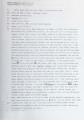
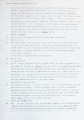
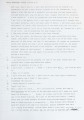
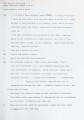
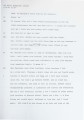
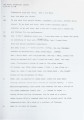
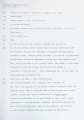
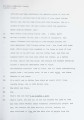
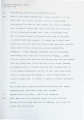
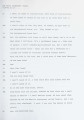
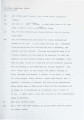
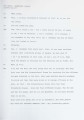
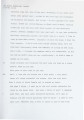
Show L You go dancing where? BL Well, during the summer, there'd be Lagoon. Saltaire. The Old Mill. Ah, The Old Mill. It was out at Millcreek Canyon, I think, there was an old mill out there, we'd go dancing during the surruner. Ah, let's see where else would we go. Oh, then there's the Terrace. And the Rainbow Rendezvous. That was during the war. I was there on ~J Day. VJ Night. I remember Nat King Cole was there. Hotel Utah dancing .. VJ Night. I'll never forget. And then we'd go to the L What exactly won't you forget aBout it? BL Well, I rneanfuat it was over . That it was really over. The whole thing was over. VJ Night. The war was over . It was just unbelievable. L Was the war something very horrible to you personally? BL Yes it was. I w~ s very much interested in a young man und he wasoverseas. L Where was he stationed. BL He was originally stationed, well, he was in the originally and then went over to Europe. ~nd then he was put in the Intelligence becasue he was German born. And of course , when it was over, when he was corning back. And when l1e came back, one or the two of us ralised that we were very good friends .but we really didn ' t want to get married. And he had to build his future and get his education and so forth. And we're still very good friends. But he L So you were praying for his safety. BL Yes. Of course. And he was in the Battle of the Bulge. Patton. He was in Patton's army. It was - it was really kind of a personal thing with me. Of course, I heard a lot from his family about what had gone on in Germany : and I was very frightened about his possibility of being captured or anything as a German. Naturally, 1 meJn, he was German born and he spoke with a German' accent. it was frightening. L So VJ Day came. Was it packed that night? BL Oh, yes. It was just. We just couldn ' t believe it. We just couldn ' t believe it! And we all had such wonderful dreams hoped that everything would be so marvelous, you know. L Someobody told me they thought it was going to be a new world. BL Absolutely. And then of course, then all the men came back and the job situation changed. I remember that, it was hard to find places to live. And you still couldn't find a lot. Refrigerators. You still couldn ' t find alot of the appliances you needed. L D.iA the hope of the New World come because Hitler seemed like the personification] of all that was evil. |
| Reference URL |
https://collections.lib.utah.edu/ark:/87278/s6kh2h38/902773 |