| Title |
Esperanza and Gavino Aguayo, No. 1, Hispanic Oral Histories, Accn 1369 |
| Creator |
Aguayo, Esperanza, 1932-; Aguayo, Gavino |
| Contributor |
Kelen, Leslie G., 1949- |
| Date |
1985-02-06 |
| Date Digital |
2016-05-02 |
| Spatial Coverage |
Bingham, Salt Lake County, Utah, United States |
| Subject |
Mexican Americans--Utah--Interviews; Aguayo, Esperanza, 1932- --Interviews; Aguayo, Gavnio--Interviews; Discrimination against Mexican Americans; Emigration and immigration--Social aspects |
| Access Rights |
I acknowledge and agree that all information I obtain as a result of accessing any oral history provided by the University of Utah's Marriott Library shall be used only for historical or scholarly or academic research purposes, and not for commercial purposes. I understand that any other use of the materials is not authorized by the University of Utah and may exceed the scope of permission granted to the University of Utah by the interviewer or interviewee. I may request permission for other uses, in writing to Special Collections at the Marriott Library, which the University of Utah may choose grant, in its sole discretion. I agree to defend, indemnify and hold the University of Utah and its Marriott Library harmless for and against any actions or claims that relate to my improper use of materials provided by the University of Utah. |
| Description |
Transcript (102 pages) of part 1 of 2 of interviews by Leslie Kelen with Esperanza and Gavnio Aguayo, on February 6, 1985 and February 25, 1985. |
| Collection Number and Name |
ACCN 1369, Hispanic Oral Histories, 1984-1987 |
| Abstract |
Esperanza Aguaya (b. 1932) recalls her parents and their stories about various revolutions in Mexico. She explains how her parents came here from Mexico intending to stay one year and never went back. She and her brother, Gavino, remember their childhood in Bingham, a small mining town in Utah. Topics discussed include the differences in what girls and boys were allowed to do, street games, Hispanic culture, school, neighbors and friends from various ethnic groups, living conditions in Bingham, and racial/ethnic discrimination. |
| Type |
Text |
| Format |
application/pdf |
| Extent |
102 pages |
| Language |
eng |
| Rights |
 |
| Rights Holder |
For further information please contact Special Collections, J. Willard Marriott Library, University of Utah at spcreference@lists.utah.edu or (801)581-8863 or 295 South 1500 East, 4th Floor, Salt Lake City, Utah 84112 |
| Relation |
http://archiveswest.orbiscascade.org/ark:/80444/xv46923 |
| Scanning Technician |
Mazi Rakhsha |
| Conversion Specifications |
Original scanned with Kirtas 2400 and saved as 400 ppi uncompressed TIFF. PDF generated by Adobe Acrobat Pro X for CONTENTdm display |
| ARK |
ark:/87278/s64j2mvp |
| Topic |
Mexican Americans; Emigration and immigration--Social aspects |
| Genre |
oral histories (literary works) |
| Setname |
uum_hoh |
| ID |
893604 |
| Reference URL |
https://collections.lib.utah.edu/ark:/87278/s64j2mvp |
| Title |
Page 96 |
| Format |
application/pdf |
| Setname |
uum_hoh |
| ID |
893594 |
| OCR Text |
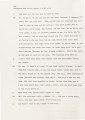
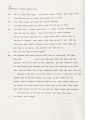
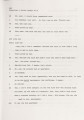
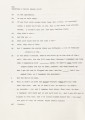
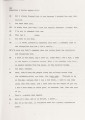
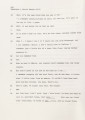
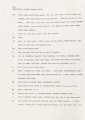
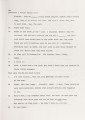
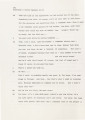
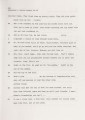
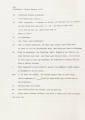
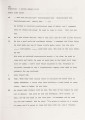
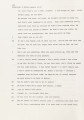
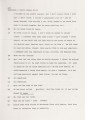
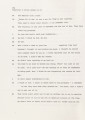
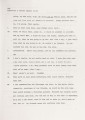
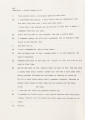
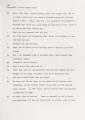
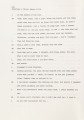
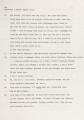
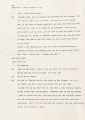
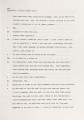
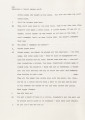
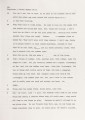
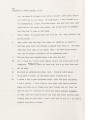
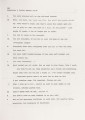
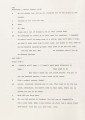
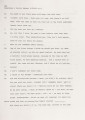
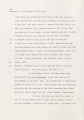
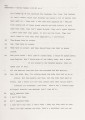
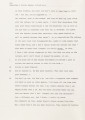
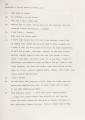
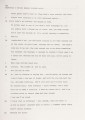
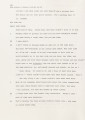
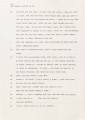
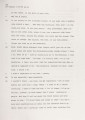
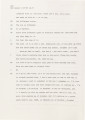
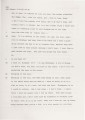
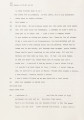
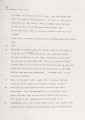
Show OHI E&G Aguayo 2-25-85 s5:45 was a company town. L You could kind of ask your way around as you got - as your got better-- GA Well, that's the way it started Most of Copperton - even at that time - if you were Mexican you probably still didn't ask any. Becuase you probably still wouldn't move there. L Why. GA Oh it was racial. It was economic and -racial. The fact that all the foremen were white. You know, and Mexicans - up until WWII, ah, Mexicans especially. Didn't have accessto jobs that really paid good. You know, to thebetter paying jobs. EA They worked the track and the powder gang. L Which was GA Blasting. EA Blasting. GA Right about the time WWII, unions come in. Then - then they start going seniority, same thing .. But up til then, it was - you had closed areas. Like Locomotives engineers. I don't know actually any Mexican that was a locomotive engineer when I was young. You know, that was one area that you didn't-- EA How about electricians, too. They're-- GA Electricians, machinists, same thing. Those areas weren't open. EA My brother says now with the shops and machinists, they're all Mexicans excpt one token white. GA WEll, like I say - it cahnges - (laughs) As soon as the unions come in - because there was a lot of rci.norities. So as soon as the |
| Reference URL |
https://collections.lib.utah.edu/ark:/87278/s64j2mvp/893594 |