| OCR Text |
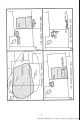
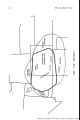
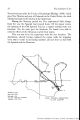
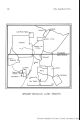
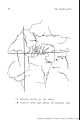
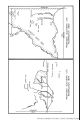
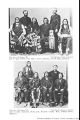
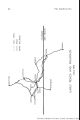
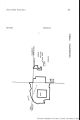
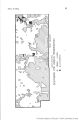
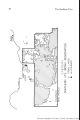
Show The Creation of the Reservation: 1848-1900 33 of their present reservation at the headwaters of the Piedra, San Juan, and Navajo rivers. (See Map) In exchange for the new reservation, which consisted of 728,320 acres, the Utes were to cede title of their old reservation, nearly 1,894,400 acres, to the government. Compensation was to be given for 1,100,000 acres relinquished, and a new agency was to be established on the Navajo River. Congress wanted the Southern Utes moved onto one common reservation with the Northern bands. When the signed agreement from the Southern Utes was presented for approval, Congress refused to grant it. The Colorado delegation was dissatisfied with the compromise and had pressured Congress to seek another solution. In September, 1879, an incident occurred which focused national attention on the Ute situation and generated public support for Ute removal from Colorado. At the northern agency in White River, the agent, Nathan Meeker, attempted to have the grazing land near the agency plowed and planted in grain. The Indians did not want the good grazing land plowed and they protested. The agent refused to heed their protests and, over-reacting, asked that the army send troops to the agency. The entry of the troops to the reservation caused considerable anger among the Utes. About 25 Utes, led by Douglas, attacked the agency, killing Meeker and eight young men working for him. In addition three women and two children were taken captive and held hostage for twenty-three days.5 At the same time the troops called to the reservation by Meeker were attacked. Nearly three hundred Utes under the leadership of Captain Jack ambushed the soldiers and pinned them down for six days before relief could reach them. These events created a national uproar against the Utes, and the public called for their removal to Indian territory. Congress instructed the executive branch of the government to negotiate with Utes for their removal from Colorado. On January 16, 1880, Ignacio, Buckskin Charlie, Severo and Blanco (Ojo Blanco) representing the Southern Utes, and Ouray and other leaders of the Northern Utes left the reservation for Washington, D.C., to negotiate with officials of the Bureau of Indian Affairs.6 The Ute leaders agreed 5 Floyd A. O'Neil, "The Utes of Eastern Utah" (unpublished Manuscript, Western Americana Collection, Marriott Library, University of Utah, n.d.), p. 26. 6 New York Times, January 31, 1880, p. 1. |