| OCR Text |
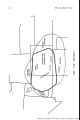
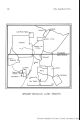
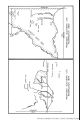
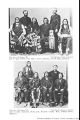
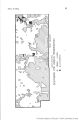
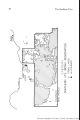
Show The American Period: The Creation of the Reservation: 1848-1900 In 1868 the geographic locations of the three bands of the Southern Utes had changed little from the time when the first Spaniard had entered their domain in the 1700's. During the Mexican period the bands were moved closer together, their use of the plains as hunting grounds was restricted and their lands were defined as a reservation. However, these changes seem due more to pressure on the Utes from the Comanches and Apaches than from either the Mexicans or the first Americans who entered the region. The 700 Weeminuches lived in an area that stretched from Tierra Amarilla northward to the Las Animas River and on to the Colorado River. Their chiefs were Peersichopa and Cabegon. The headmen included Sewormicha, Piwood, Ignacio, Chiwaten, and Tobats. The bands of Cabegon and Sewormicha cultivated the land along the La Plata River, one of the few groups of Utes to grow some of their own food rather than trade for it. For the most part they were self-supporting with only a few of the band visiting the agency at Tierra Amarilla. Supplies received from the government included powder, lead, salt, and blankets. Their hunting grounds were located west of the San Juan headwaters and their lodges on the Las Animas, the La Plata, and the Mancos rivers. They traded bear, deer, beaver, and a few otter skins for horses, sugar, and coffee. In turn, the horses were traded to the Mouache Utes located at Cimarron in exchange for buffalo robes and the skins to the Navajos for blankets. Of the three major bands of the Southern Utes, the Weeminuche remained the most isolated from Anglo contact. The 484 Mouache occupied the San Luis Valley as well as the east side of the Sangre de Cristo Mountains north of Taos. They were given supplies from the Cimarron agency and occasionally the Abiquiu agency. In 1869 an agency on the Conejos River was established for these people. The new location was considered a more practical distribution point for the goods given to the band. The 500 Capotes lived in an area ranging north from Abiquiu to the Navajo River with Tierra Amarilla being the central location for most of the band. The agency at Abiquiu was the distribution point |