| OCR Text |
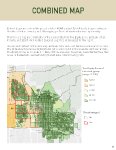
Show CONCLUSION This project was centered on the combination of data-driven analysis and community engagement to work toward creating a more equitable urban forest. Future applications of these findings should ideally include continuous outreach and targeted tree planting in under-canopied neighborhoods to strive toward closing the tree equity gap between Salt Lake City’s east and west sides. Projects such as the ongoing collaboration between SLC Public Lands and the Parks, Trails, and Open Space Bond for the improvements to Madsen Park and other disadvanted openspaces should closely involve environmental nonprofits like TreeUtah. These organizations can utilize the community trust they have built to involve neighborhoods in improving the condition and concentration of their local tree canopy. Educating and involving community members about their shared stewardship of public trees is a crucial step in increasing tree equity in Salt Lake City. NEXT STEPS Refining and publishing the combined map created for this project as a public tool will help educate residents about the state of their individual neighborhoods’ trees which could inspire more people to volunteer with organizations like TreeUtah. Because the official CEJST map is no longer accessible, it may be beneficial to replace it with a different dataset for future analyses or to omit it to ensure data accuracy. An improvement concept design, such as the one created for Madsen Park, could also be made for other parks and public schools in need of additional trees and other environmental amenities. Further investigation and analysis is needed to realistically select additional sites which could serve as a future professional project such as this one. Any tree equity improvement projects should always include a community engagement element. Community members will be most impacted by neighborhood changes, and clearly demonstrating the importance of public environmental stewardship should be prioritized to help ensure a positive outcome for future urban forestry initiatives. 19 |