| OCR Text |
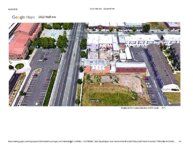
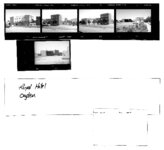
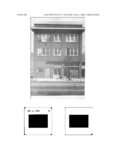
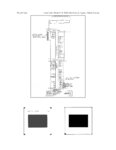
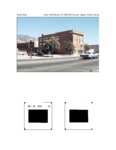
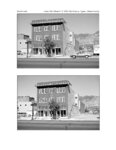
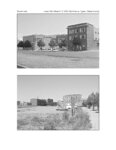
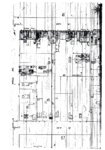
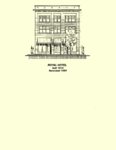
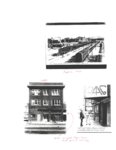
Show NARRATIVE STATEMENT OF SIGNIFICANCE The Royal Hotel is historically significant for its long association with the early 20th century development of Ogden City's transportation and railroad district. The hotel was built in 1914 directly across from the original Ogden Union Station and later the existing Union Station which is listed in the national Register. The hotel was built by Geo Whitmeyer and Sons, a prominent builder and contractor. The firm also built many of Ogden's historical public buildings, schools, libraries, office buildings, hotels and residences. The Royal Hotel originally provided housing for blue collar workers on the rails. Later, in the 1920' sand 1930' s the hotel provided housing and services to the immigrant's of Basque Spain and France that came to Utah to work in the wool and sheep industry largely associated with the railroad transportation. Later, in the 1940's the hotel accommodated black blue collar railroad workers who were prevented from staying elsewhere. The Royal Hotel was one of the few places in Ogden were they could stay because of the segregation. The hotel also served as an office for the black Military Police during World War II. After it's construction in 1914 the area ofthe Union Station (25th Historic District) became the center of commerce, entertainment, and lodging clear up into the 1960's. Among some of the other hotels constructed at or around the same time was the Healy Hotel and the New Bingham Hotel, both of which on Wall Avenue. Around the Comer on 25th Street was the Hotel Marion, Windsor Hotel, and the Helena. Behind the main hotel a large building comparable in size was built sometime between 1920 and 1930. The buildings only purpose was for the playing of Jaialai (hielie), a Basque court game resembling squash. It is played by two teams of two people. The immigrants from their native Basque country saw this game as an inherent part of their heritage and culture. As far as it is known this is the only structure built for this particular activity in the state. Though not architecturally significant, it is a standing whiteness of a culture and people that played a significant contribution in Utah's heritage. With shops and offices on the first level and residential rooms on the second and third, the hotel was modest in size and design. Yet it was on of the few to offer inexpensive boarding rooms to the local working and minority class. Never imposing or stylish architecturally, the hotel is more representative of the ethnic diversity and progress of Ogden, its railroads, and life for the working class in the 25th street district. |