| OCR Text |
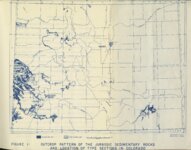
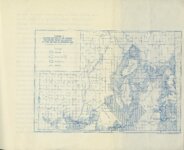
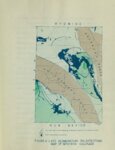
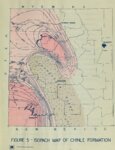
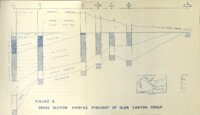
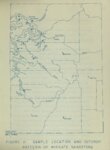
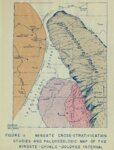
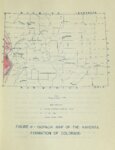
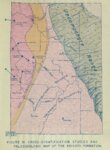
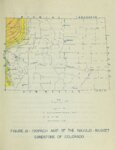
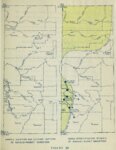
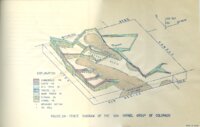
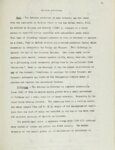
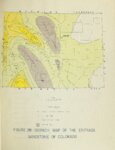
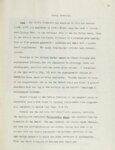
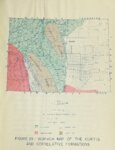
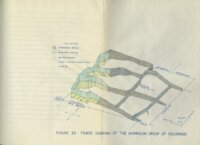
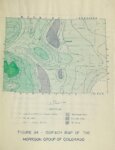
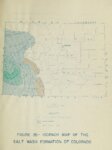
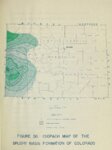
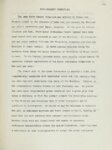
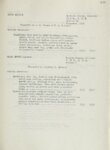
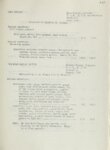
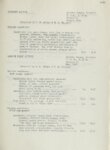
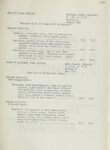
Show 82 Conditions of deposition - The Curtis deposited during was the last Jurassic marine invasion that entered Colorado from the north and extended Basin. far south as Although it is the town of as Aspen in the central Colorado quite probable the seaway opened (see Figo49), this cannot be proven because of and erosion. In northwestern Colorado fauna and in the glauconite marginal areas I where lagoons, evaporite existed, changes designated by transgressed sea coarse debris. were Curtis Perhaps ment that In a was the sea was developed along and names. over the western a as the Todilto this low land created Thin transgressive edge of the Uncompahgre Highland. gypsum and bituminous limestone formation, a Curtis sea against the as a equivalent separate steeply shelving or three times the The limestone facies of the and gypsiferous sand Fig. 29. occur lagoon feathers disappears coincidentally Uncompahgre uplift. normal out with the northwest unit. shore formed by tne Precambrian highland favored chemical precipitationo 150 feet, facies tongue in the lagoonal environ- The Todilto is described later The location of the over or This unusual sequence of limestone and gypsum developed. (Holmes, 1950). occurred which which the upper Jurassic lagoonso in the Moab preserved has been described lithology over advancing restricted part of this basin facies basins and shallow low-lying without notable irregularities sandy bars, restricted basins of the in deposition; however, various formational and member The surface of Entrada sandstone disturbances abundant marine invertebrate an prove marine conditions of tidal flats must have have been Tertiary to the east Thicknesses in the restricted rapidly plunge The areal extent of the gypsum, to area. the west of the limestone and and siltstone is indicated by the gypsum pattern on |