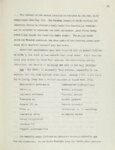
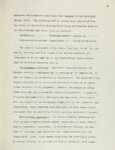
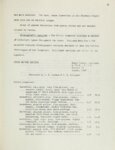
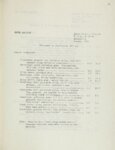
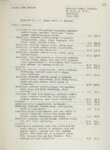
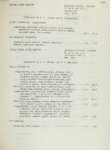
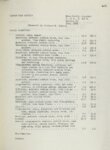
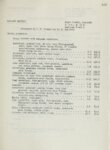
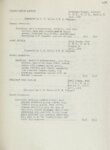
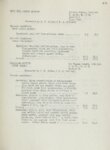
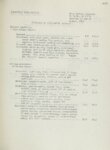
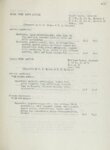
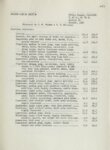
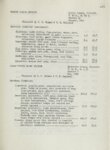
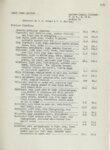
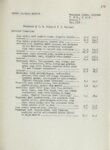
| OCR Text |
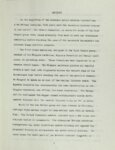
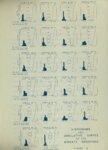
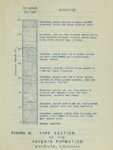
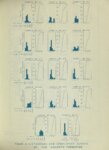
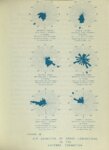
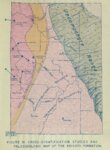
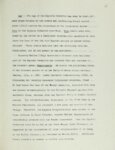
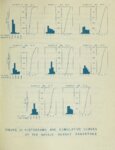
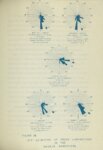
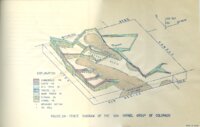
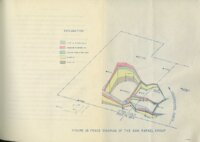
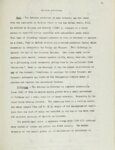
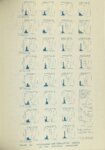
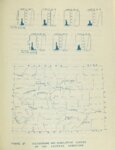
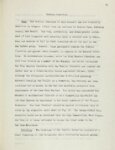
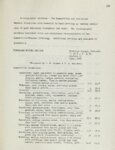
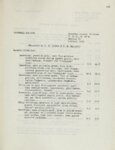
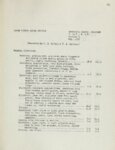
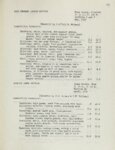
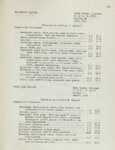
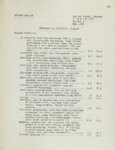
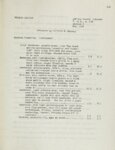
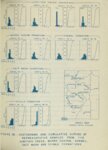
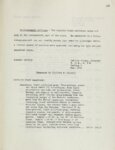
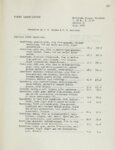
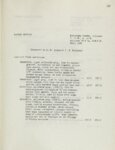
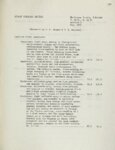
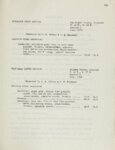
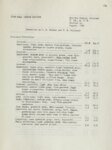
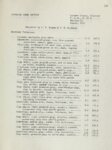
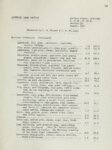
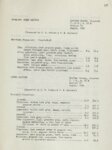
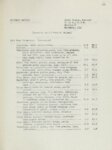
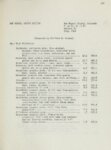
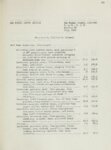
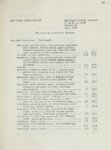
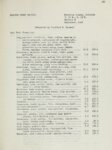
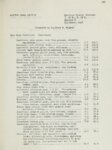
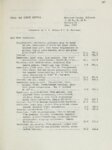
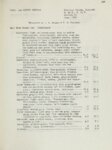
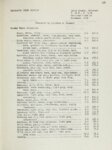
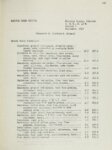
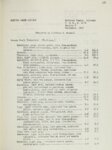
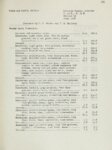
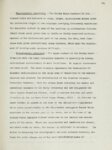
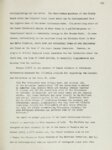
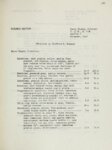
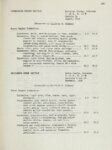
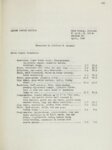
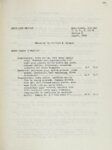
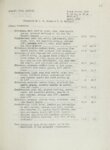
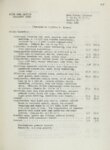
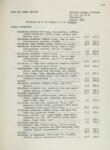
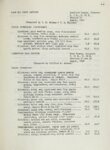
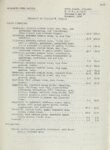
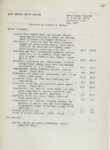
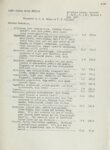
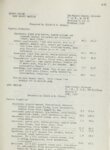
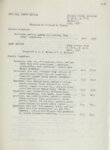
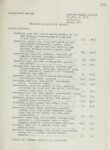
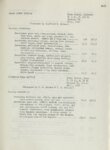
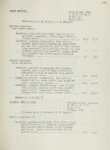
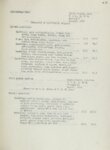
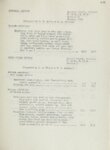
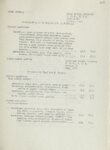
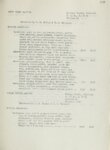
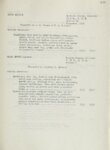
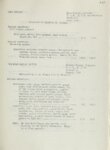
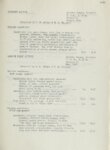
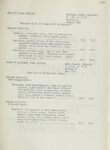
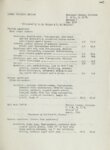
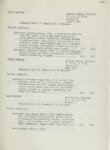
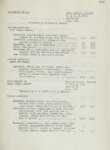
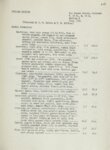
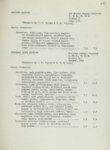
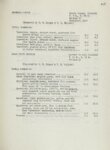
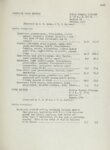
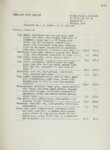
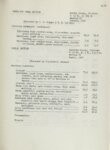
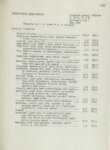
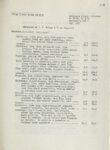
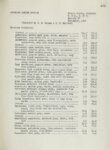
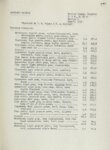
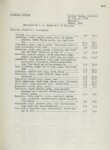
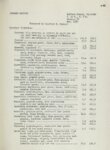
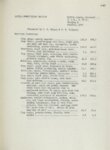
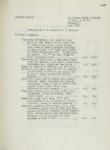
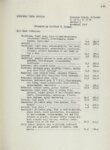
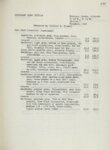
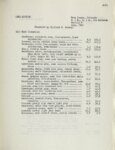
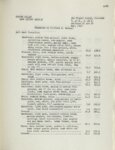
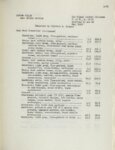
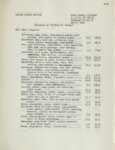
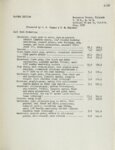
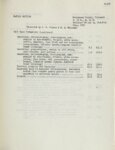
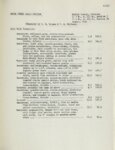
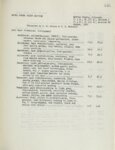
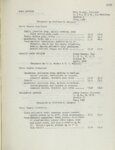
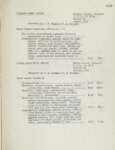
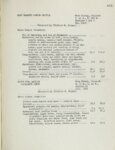
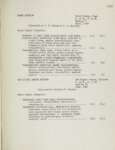
Show 32 of the Kayenta, for the Arizona trading post. and Navajo sandstone intertonguing relationship Kayenta formation in the field at the type section. type An is clearly visible The thickness measur-ed at the section is 140 feet. Lithology - The Kayenta formation consists predominantly of lenticular sandstone and shale beds, with minor mUdstone and conglo meratic lenses. and thick, The sandstone lenses usually are extend less than 1000feet the chief mineral constituent with mica, abundant. The quartz grains of 149 microns and The (Rock are Chart) bonded with a Kayenta contrasts felspar is Kayenta a and the Navajo sandstone. The intercalated mUdstones brown, whereas the a locally median diameter grayish-red 5R 4/2 to dark reddish descriptive. "salmon-pink" underlying Wingate reddish and chert grayish white with both the light Quartz is calcareous cement. with variations from strongly than 20 feet lateraIly. the field term "maroon to lavendart1 is brown; more sub-rounded with are color of the prevailing Color rarely The color of the gray and red colors of the conglomerate are lenses usually are a overlying dark light grayish-red determined by the chunks of very light gray shale and limestonee The occasional conglomerates limestone and shale fragments, Lime pellet conglomerates seldom more than 50 feet The cumulative to be a fine-grained particularly well The long curves or and with sporadically distributed in short lensing, conglomeratic channels of the Kayenta indicate Sediments of the type section a are 15 feet thick. histograms sandstone. sorted, Kayenta contain siltstone, and mudstone and siltstone concretions. also are lenticular stream channels. of the median diameter of it are .125 mi1limeterse |