| OCR Text |
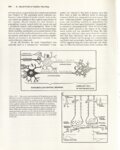
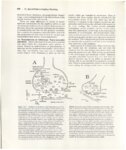
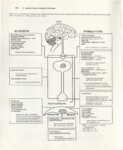
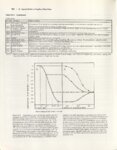
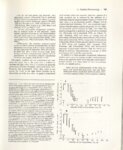
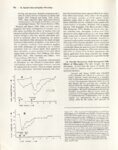
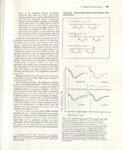
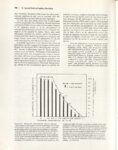
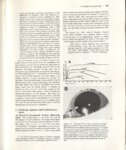
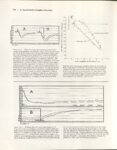
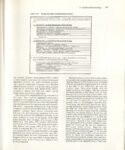
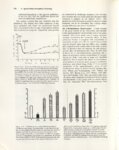
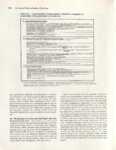
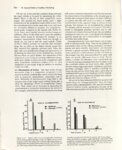
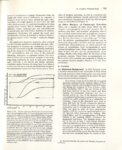
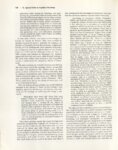
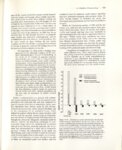
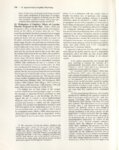
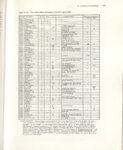
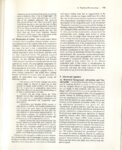
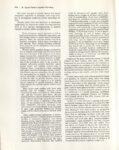
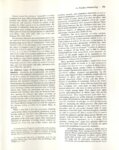
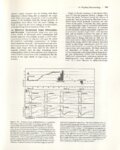
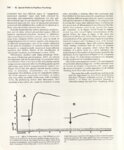
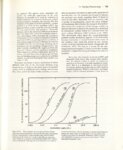
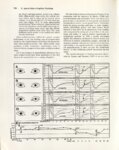
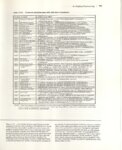
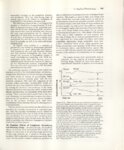
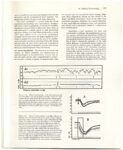
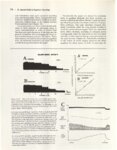
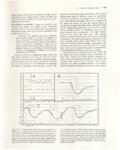
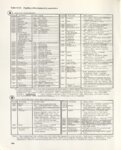
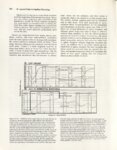
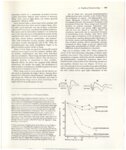
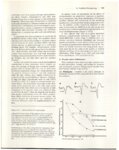
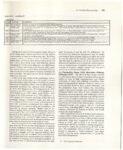
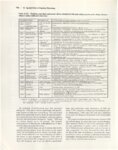
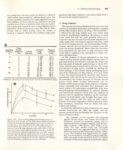
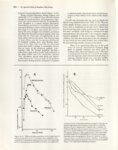
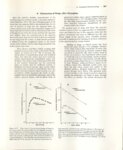
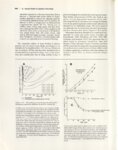
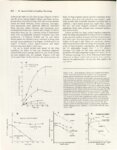
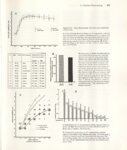
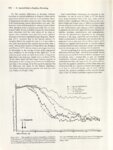
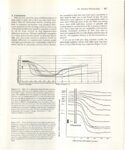
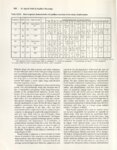
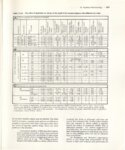
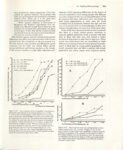
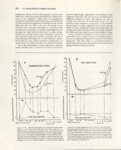
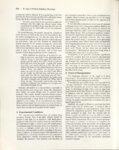
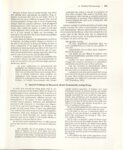
Show 14. Pupillary Pharmacology Millodot (1975) described differences in the degree of corneal sensitivity to touch among people with different eye colors (Figure 14-49). In a second publication (1976) he reported that these differences were not bound up with ocular pigmentation as such, since the touch sensitivity was as symmetric between the right and left eyes of 15 persons with iris heterochromia as they were among 25 people whose two eyes were of the same color. From all the facts discussed in this section I conclude that there is a trend toward greater sensit1vity to topically applied ophthalmk drugs in people with light than in those with dark eyes, and toward a longer duration of drug action in dark than in light eyes. These trends have been found (but not invariably) as slight differences in averaged data of various group of people. And it is likely that, in a large patient population, one would encounter here and there a patient with deeply pigmented eyes whose pupils react relatively poorly, most doubled the miosis induced by 0.25% pilocarpine (in aqueous solution); but in people with dark eyes pretreatment with pontocaine remained without effect. What was it in the dark eye's cornea that prevented this enhancing effect? -While aqueous solutions of pilocarpine in Borgmann and Wurster's experiments were distinctly more effective in light than in dark eyes, the relation was reversed when pilocarpine was given in oil (Figure 14-48). Why did the reaction in dark eyes benefit more by the increased corneal absorption than the reaction in light eyes? Why should it appear entirely farfetched that genetic differences may affect some characteristics of the cornea (derived from skin ectoderm)· or the pre-corneal tear film that depends upon lacrimal and Meibomian gland secretions and the blink rate (which differs greatly among individuals and between species); or the volume of the anterior chamber; or some other, unknown trait? 1•=• 6 = J.G., dark brown (n) t j.., 4- •······ ■ =W.M.,blue o----o = _1 .o.-.o. /·/• I.S., blue / 1 I['' / = B.S., dark brown (n) .. ~ • &7·-·- f.....----~ / ,,01,,,f:.-······ t<> / ! :, " / -I J 0 2-1 ~ / i I / J C 8 Q. ~ •-·-·•;' -, .~-~~---· E •• it/◊ it~· ·--=· /~/ ◊-◊~ E 0~----=---.·✓ /.: / .6 ; .025 .01 701 e,.-e,. 601 50- = B.S., dark brown (n) ,/ I - = J.G., dark brown (n) A i • ,,.✓-✓,.✓• / 1/ 401 .6 1J I / o __ _/ ..,✓.; ______ ____.. .o. ......_.-1;., ..... / / _....._...1,.-:;___ _______ Concentration of CYCLOPENTOLATE Concentration of CYCLOPENTOLATE 0.1 -+ 0.5 _ 1% 2 % .5 .H 1 /Ji. L..-11----1,----11----1,----11----10 0.01 0.05 .1 -~ 80- ~ ! •. -· ~-1:,,.......,....6 ■ --il......-::_"'----------- .005 .OOH l 1/) l-....,-1-1-1-1-1-,-1-1-1-1- .001 I c 2 1.L., grey • f::I // /. / 0 o,'..•···• -t4·/ • ~ 'II ,' // A •·-·---.a.= § ! ~ _ 10900-ll 0 =--~- (j) 1 .✓·1·'·'·l·/-·-·-·-: • J :=~: ~--~:. ::::n / 821 1 Pllocarplne hydrochloride In normal saline, two drops three minutes apart Figure 14-46. Dose-response curves for pupillary contractions to pilocarpine hydrochloride in six normal volunteers (see Table 14-39 for additional information). Each subject had received two drops of pilocarpine hydrochloride of various concentrations into the conjunctiva! sac of one eye. The symbols show peak contraction induced by each drug concentration ( diameter of normal minus diameter of drug-treated pupil as the ordinate, in mm). For identification of subjects ee key. While the most sensitive reactions were obtained in a grey iris, and the least sensitive ones in a dark brown one, there wa overlap among ubject J.G., S.O., W.M., and 1.S., whose eye color ranged from light blue to dark brown (n, black American; j, Japanese). (From unpublished material by I.E. Loewenfeld and S. Oono, 1966) -+ Figure 14-47. Dose-response curves for cyclopentolate in three normal subjects (J.G., LL., and B.S. of Figure 14-46). A; The points indicate % loss of light reflex amplitude, compared with the simultaneous reactions of the opposite, normal pupil (as 100%). B: Pupillary dilation, recorded in darkness. Note the same order of sensitivity as for pilocarpine (Figure 14-46) and for phenylephrine (Table 14-40). (From unpublished material by I.E. Loewenfeld and S. Oono, 1966) |