| OCR Text |
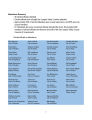
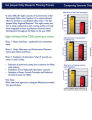
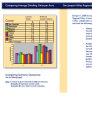
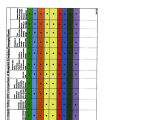
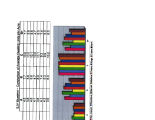
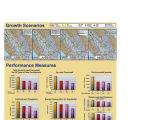
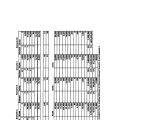
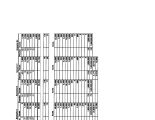
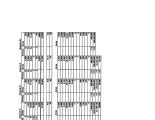
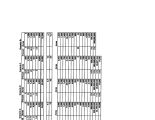
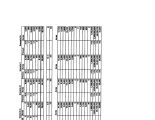
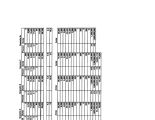
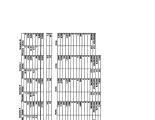
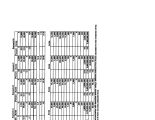
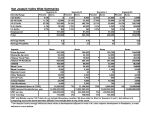
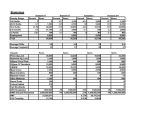
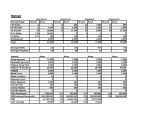
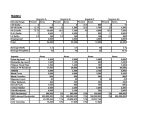
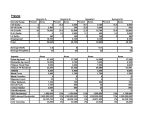
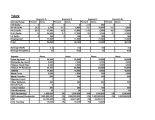
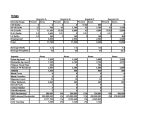
Show San Joaquin Valley Wide Summaries Density Range Percent Acres Percent Acres Percent Acres Percent Acres >20 Du/Ac 0.0% 0 9.2% 6,900 32.6% 23,600 9.2% 6,900 20-10 Du/Ac 11.2% 13,800 24.1% 31,300 37.9% 55,400 24.1% 31,300 10-2 Du/Ac 83.8% 332,400 64.0% 185,700 29.1% 95,900 64.0% 185,700 2-0.5 Du/Ac 4.4% 79,500 2.5% 42,600 0.4% 6,300 2.5% 42,600 >2 Ac/Du 0.6% NA 0.2% NA 0.0% NA 0.2% NA Employment 107,400 87,200 87,200 87,200 Total 533,000 353,700 268,400 353,700 Average DU/Ac 4.3 6.8 10 6.8 Average People/Ac 13 21 31 21 Impacts Acres Acres Acres Acres Prime Ag Land 261,300 164,600 120,700 164,200 Statewide Ag Land 65,400 44,100 32,000 44,300 100year Flood Plain 53,200 19,900 * 22,500 20,100 100year FP Residents 564,600 296,100 * 361,300 292,400 CNDDB 109,400 86,000 63,500 86,500 Mead Cores 50,700 34,300 25,100 33,800 Mead Corridors 6,000 2,100 1,500 2,100 Riparian Forest 220 60 70 70 Other Wetlands 15,900 4,000 * 5,800 4,100 Vernal Pools 3,300 1,700 900 1,700 Critical Habitat 33,700 7,600 * 19,700 7,500 Oak Woodlands 4,400 3,300 700 3,200 GHG Residential (tons of CO2E) 11,900,000 7% 11,100,000 20% 9,500,000 6% 11,200,000 KWH demand Residential per year 14,800,000,000 13,800,000,000 12,000,000,000 13,800,000,000 VMT per day 240,000,000 3% 233,000,000 6% 226,000,000 CO2 Tons/day 173,000 3% 168,000 5% 165,000 VMT and Mobile source CO2 Totals do not include Stanislaus counties. We have data for Stan for Scenario A and C, but without a B, comparing across the board becomes difficult if we include them in any of the count * San Joaquin County strongly influences these values as development adjacent to most of it's cities requires development in floodplains, or areas defined as critical habitat. Scenario A Scanario B Scenario C Scenario B+ |