| OCR Text |
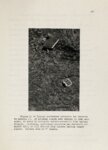
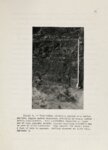
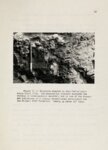
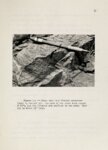
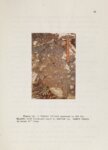
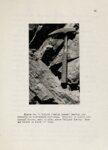
Show 64 surfaces a in the thin-bedded sequences. period. of drying, perhaps related to This interpretation deposits by fluvial (see unit 3-5 is sand and some occasionally and intersected and led to the associations deposited in lakes and some places Apparently, migrating lake a channel The thin-bedded sandstones and been draining. the presence of thin-bedded by conglomerate. sequently drained rapidly, allowed failure, lake conglomerate channels in Three), intraformational clasts in 'bank occas LonaL supported by the truncation of thin-Qedded and Traverse stream channels These appear to indicate or pond tha. t sub migration as and associated observed today. appear to have siltstones, then, ponds, perhaps near an active glacier. TILLOID AND NON-BEDDED SILTSTONE Two conclusions can be drawn immed.ia tely from the of the tilloid given on 37 to 44. pages loid makes the Mineral Fork Formation acter than the overlying and First, the abundant tl1- markedly underlying units, different in char and contains all other Ii thologies in the formation. characteristics is significantly within the is what was answer of the will that the origin all activity. activity deposits The second, tilloid These genezal of the Mineral Fork Formation different from tha.t of 'the formation, general type The imply descriptions are question enclosb"'lg broadly related we z-ocks , but that to the same want to answer, then, that led to the formation of the tilloid. probably explain all the associations observed in the formation. There appeaz to be three tilloid as ba.ic processes that could have formed observed in the Mineral Fork Formations deposition from |