| OCR Text |
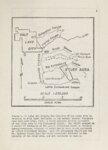
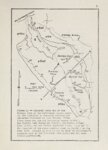
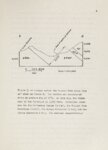
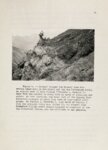
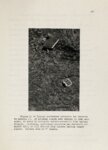
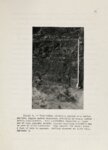
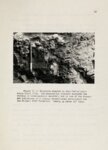
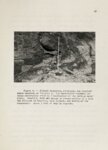
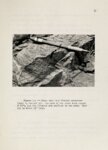
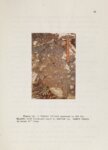
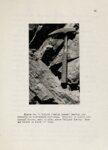
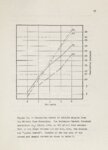
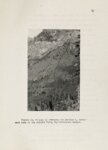
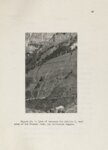
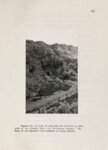
Show 59 The only certainly other diagnostic sedimentary ripple marks were structures identified in the sandstones and silt.stones. . Ripple ma.rJr confined to rare, and where are one two or ripple-stratification bedding developed, they is for the upper surface of Traverse repeated in sucassive layers, enough to ripple sets fo ripples are ble (see such Figure 6 marks ripple a again, shows area. Traverse Three, elevation horizon of Canyon for the a type of This depositional responsible so conglomerate in the type stringer sand a rippling. They show tyPe of common exposures These structures L"l the figure 17. Obviously, transport is suspect. generally are and indicate that currents tion to the southwest am are statistically significant, One-A). rare were included in in that direction. some in Little Cottonwood developed (see of the siltstone 'The most surfaces. in the thin-bedded siltstone to show structure is well are rarely strong Three area. current direc secondary mode sm.all amount of data. is not the inferred direction of ripples developed on a; peb o£ the Mineral Fork Formation 8,826 feat). This is the best in the entire formation. DEPOSITIONAL E}rHRO}\NTS J4!ost workers have a tillite, Recently, (1967a), that is, suggested that it was this idea has been and Dott (1961). that the Jolineral Fork Formation is deposited directly The it may be glacier ice. challenged.; p:!.rtictilarly by Condie Condie suggests that the Mineral Fork Formation has many of the chara..cteristics of sugges-ts tha t from a. turbidite. Dott glaciomarine. problem, l:a.sically, is that wh.ile all lithologies within .r |