| OCR Text |
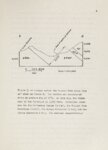
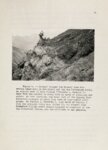
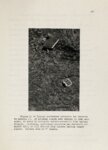
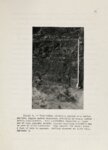
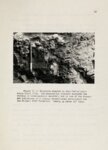
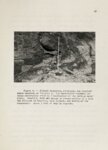
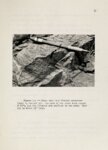
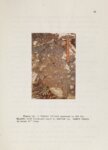
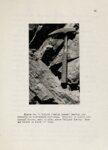
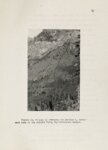
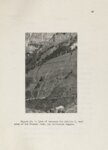
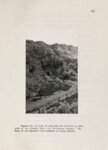
Show 23 8. Thin-bedded siltstone llea.thers to straight to that lit.tered with are thin, angular plates slopes concave broken out of bedding. 9. Commonly, thin-bedded siltstone sequences contain thin to 12-inch interbeds stones thick) sublitharenite to' quartzarenite layers. not are gradational with the Rarely, as conglomerate. distorted highly Ina terial. The Traverse Three), (about no is t-lnch thick. manner to lithification 11. Studies of thin sections cut lenticular poorly sorted., and the very thin-bedded siltstone is prior thin places above, ·the included preferred orientation. a long), f found, the siltstone bedding some always interbedded with conglomerate in ical deformation three foot en this is beneath, and in cong'Lomera te clasts have larger silt noted. in Traverse Three and in Section Three bedded siltstone contains small interbeds of These underlying except in the instance where they are'less than 10. is ani overlying (i- In place one (noted in truncatedt distorted, and intense mecPAn- suggesting (see figure' 7). perpendicular to in the bedding thin-bedded siltstones show that they have the following character istics I a. but some layers b. because Grains range in size from very fine sand. Lower contacts are in a to an Generally, sorting bedding is good given layer, sorting sharp, but in in the basal trate the finer materials in :rallel to silt, do not.contain the entire size range. larger quartz clasts c. upward some :p3.rt places uneven, of one layer may pene underlying layer. within to fair; a single horizon"t.'l.l traverse however, becomes better. from the base upward .r |