| OCR Text |
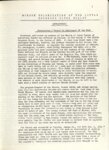
Show and the matter,1. was taken to the High CQuncU and t" th P h resl.dency the lil e, b utoe of the w •• e ':Stak. Bishop was uphl.d in vb at h e had done. . .. .. , ' , Dances' were tion above, t frown ad as, suoogested infrequent; bv -0 Col Ka nels . descrl.pWaltzes and other "round-da spl.rl.'ted noes "h'owever Par t ners an the dances at two-arm and • • • part was' length' upon.,. and considered dances 'were largely restricted 1893, bef?re t to the "square tigures--cotUlions, quadrilles' jigs reels t, Early in 1893, a petition circulated by yoUng, f" the ment, was signed. by 41· meJllhr, probably- mOstly the roung folks them-, that waltzing be allowed'in the public: dances. 'but:'th e selvs, asking movementtl was 'promptly met by the 'local nhocldng nth a. eounter-petitin signed by greater numbr:ot "conservatives", maintal. what they· considered proper decorua';in this, popular enter= were , not were " · profriety et;_ pople , Relief,,ciet7 as taet. ,S1h daneee and the houses of, ill-fame; , the waltz' said the Bishop,- originated in Ghurch .i8 ,endeavoring to' ' keep,the',low, !Ulgar dancing 'rom the, ,people. The" round dance" radUall7' crept in ,before the' 'public dances, included not and it 8 not long only the'two step , the the"Waltz, but also tim such figures as the one-step ,I schottische, the mazurka, and occasionally' even 'the stat&l7 minuet. hoer, ' . .. . . .. Dancing s by . . only public diversion in the community; frequent; and. the"holidays---th'e "Fourth"and the ItTwenty-tourth" of JulyThanks. gi ving, Day', and' Christ The cof,-: mas-;"-were perhaps' more generally, observed than, at present. as in cele tor the of sometimes 4th' joined lrations, July, 1877, onis with onl7 tteir "mount.s, or -teams·and' wagons (there 'was no raUroad for several years later) people" .from Brigham M.tr. and Slnset' came to st. Joseplt in' goodly, numbers, ,1:11 •• )[ t.xit '.tor: a 'general 0 me"Urider ,tha pioneer idea "ot a proper ance of the .Independence Day" 'ob'serVance.' of, this national, holida,.; ther. was much more of- the blar!1 and noise; 8spec1Ulj, guni'le17" 'than', tat>:' :'or cs.;-tllere 'was :ttl.' ••tlagraising.;th:,ii.tB>'gurr 'u.. :,'t ,th." gener.al,:.trj.oti· Do-means the Other 'forms of entertainment were' ' , .. ' " " as8emiilag.··iD"t,h{:f'orelioon;· ',especially at' the -Close' o.f-'the 1torationlt alvos ot gunfire just outide the 'building, and sometimes even tip, "anviltt was fired to en hance the noisy expression of the patriotic .feeling. ,A picnic luncheon might follow at the public center". or in the "woods"where the trees would furnish shade from the July sun; and then Or the afternoon sucll sports' as swinging, shooting=matches, etc out of the village "with horse-racl.nj, be on the a's ell as niinor num bers on the pro grail', were . . might prairie just spent and in these sports, the Or and do their porLion of the winning. root-racing', wrestling, chicken-pulling; Indians might take part there might be an un-cornmercialized' ball-game •. , ' Parties ot small' groups were often at wee molasses anc:tanthese which cand Y-I?ulling ne Indl. vidual used. not uncomncnj " least partl1, gi ven over to the It I was fields maderQJl the product of their own t&Ulies often produced 50 to 100 gallons of this commodity, generally called "sorghum. ( For United Order, see pages 123-137). |