| OCR Text |
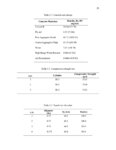
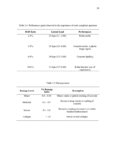
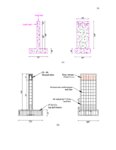
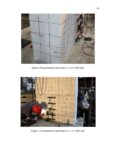
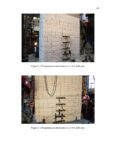
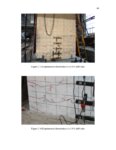
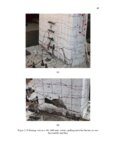
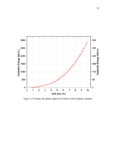
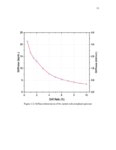
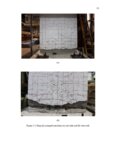
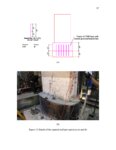
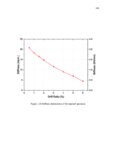
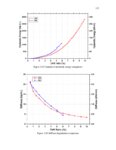
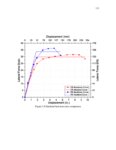
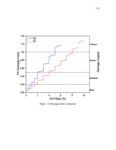
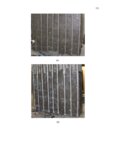
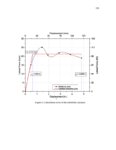
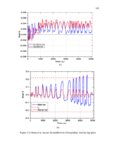
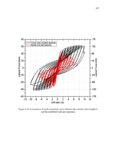
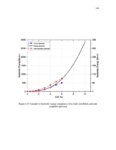
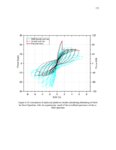
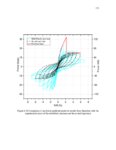
Show 77 dissipated by the current code compliant, and the repaired specimen was 713.8 kip-in. and 1106.8 kip-in., respectively. However, at failure, whereas current code compliant specimen dissipated 2856.7 kip-in. at a 10.0 % drift ratio, and the repaired specimen failed at a 6.0 % drift ratio. Hence, the repaired specimen dissipated 155 % and 38.74 % of the cumulative hysteretic energy compared to the current code compliant specimens at a 6.0 % and 10.0 % drift ratio, respectively. The stiffness of the repaired specimen was greater than the current code compliant specimen. The stiffness degradation of both the repaired and the current code compliant specimen is shown in Figure 3.29. The stiffness of the repaired specimen degraded near the failure point around a 6.0 % drift ratio. The performance of the repaired specimen was compared in terms of both the lateral force capacity and displacement ductility. The idealized backbone curve of both the current code compliant and the repaired specimen is shown in Figure 3.30. Table 3.5 shows the results comparison of the two specimens. The lateral force capacity of the repaired specimen was 36.25 kips, which is 114.7 % times the lateral capacity of the current code compliant specimen. The displacement ductility, defined as the ratio of ultimate displacement to the yield displacement exceeded the minimum component displacement ductility equal to 3.0 that is recommended by the Caltrans seismic design criteria. The displacement ductility of the repaired specimen is 3.15, which is about 60 % of the displacement ductility of the current code compliant specimen. Although heavy concrete damage was seen in the plastic hinge region of the current code compliant specimen, no pinching was seen in the hysteresis curve of the repaired specimen. Figure 3.31 and Figure 3.32 show the current code compliant, the repaired |