| OCR Text |
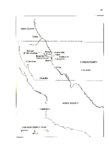
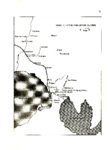
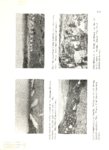
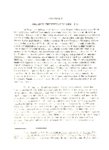
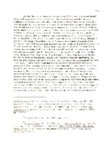
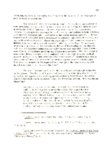
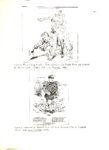
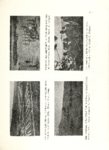
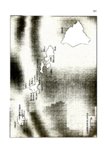
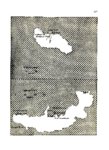
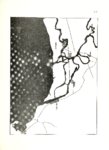
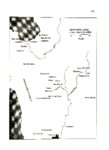
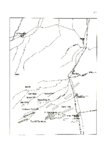
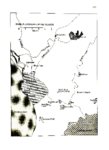
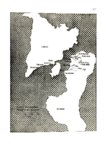
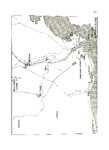
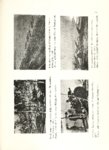
Show 127 position. In this vicinity were several ranches near which troopers of the Second Squadron on border patrol had a skirmish with Mexican bandits. Among the Cavalrymen this battle Cow, II ranch came to be known as correctly the "Battle of Casa Piedra" house along the international boundary line. or more The the "Battle of the in reference to a stone units had been instructed to remain three miles from the patrol border line and not to fire unless fired upon first. On January 26, 1917 a pa trol of five cavalrymen from Troop E came upon a group of approximately twenty-six :I.\lexicans rustling cattle across the border near Ruby, ten miles east of Arivaca. As the patrol approached them the Mexicans took cover in began firing at the American patrol. Three and around the stone house and troopers held off the Mexicans while the others went for reinforcements. Stark returned with a part of Troop E from the nearby outpost, and the battle raged through the night with the Mexicans remaining in or near the house and the Americans taking cover behind the surrounding rocks. The next day Lieutenant Carl H. Arns arrived with the rest of Troop E from Arivaca, and after forty-eight hours of fighting Captain Freeman Bassett arrived with other reinforcements from Nogales, but by then the Mexicans had disappeared. Leiutenant William C. Of this battle the 2nd Squadron Commander, Major Wallace, said "it proud to say that every man and horse came through Troop had been under fire. Now hostile fire is hostile If they fire and it doesn't much matter whether the shells are large or small. are coming at you good and fast, you are going to feel like ducking a few times and once in a while you are going to feel like getting out." The Utahn s stayed and fought, and Major Wallace estimated that the Mexicans fired "about 4,000 was a real test and I it in excellent am E shape. I rounds of ball cartridges of various caliber and E were The Utah troops suffered no " three killed and seven wounded. and I can assure rounds." Major Wallace concluded the the in which the pride men "I am of Utah the people and women Troop fired about 600 casualties, but very men here the "Mexican casualties proud of this squadron of cavalry composing seem it merit in every way to hold them. II Another incident occurred at the middle of August a Nogales Camp when one night in the sentry from Troop A noticed the horses of the Troop mov ing away from the picket lines. On further investigation he noticed that the crawling along the road on their hands and knees." Troop A was called out to chase the thieves, but they es caped into the surrounding hills. The next night an attempt to stampede the horses was made by throwing rocks into the picket lines, but a strengthening of the guard put an end to this kind of activity. horses we re being led away by "Mexicans |