| OCR Text |
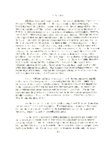
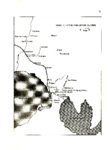
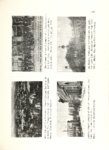
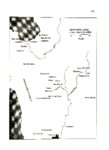
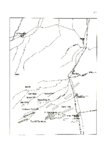
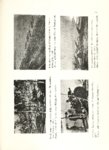
Show 3 In 1857 trouble, which had been developing between the Mormons and community, broke out into a difficult situa tion when the President of the United States, James Buchanan, ordered United States Troops to Utah Territory to restore "law and order, which the Presi the non-Mormon elements of the " dent reports from Judges William W. Drummond, W. M. F. Magraw, Associate Justice George P. Stiles, and Judge Perry Brocchus. These exaggerated reports led to the or ganization of the "Army for Utah'; consisting of 2,500 men under the command of General Albert Sidney Johnston. The command included infantry, cavalry, and artillery troops, followed by Governor Alfred Cumming--the newly ap pointed Territorial Governor--and other lately appointed federal officers. It was thought had deteriorated according at this time that the Mormons decided that the Government would not force them out of the Great Salt Lake led to sensational by Nauvoo Valley without Lieutenant General Daniel H. Legion throughout a Wells, who The Nauvoo Legion, fight. was the commander for the its existence in Utah from 1849 to 1887, was given the task of preventing the United States troops from entering the Salt Lake Valley. At this time the militia troops numbered 6,000, approximately half kept in the field during these troublesome times. The militia guerilla raids on the supply trains of the federal troops and later in the winter held the Johnston Army forces at bay at Camp Scott, Wyoming, by controlling the Echo Canyon Narrows. With the mediation of Colonel Thomas L. Kane and the investigation and report by Governor Alfred Cumming the problems between the two factions were worked out so that the Mormons did not implement the plans of burning their homes and withdrawing to the This action was prevented on the conditions that south of the Territory. Johnston's Army would pass through the Salt Lake Valley and make its camp Here was established Camp Floyd in Cedar Valley 36 miles to the south. which quartered United States regulars until July, 1861 when the last of the of whom were carried out troops left for the eastern United States and Civil War duties on both sides of the conflict. Although Utah was located a considerable distance from the actual battle fronts of the North-South conflict, the territory did a playa minor role On October 18, 1861, Ex-Governor Brigham Young sent telegram to Washington, D. C. stating that, "Utah has not seceded, and in the Civil War. " that the Territory would remain the Union brought loyal to the Union.4 the Utah Mi l i tia into service. Thi s commitment to Because of lack of federal 40rson Tullidge, The Edward \V. F. Whitney, History of Utah, Vol. II, p. 30. Edward History of Salt Lake City and Its Founders (Salt Lake City: Tullidge, Publisher and Proprietor, 1886), pp. 249-250. |