| OCR Text |
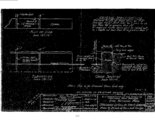
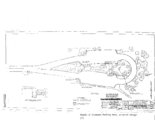
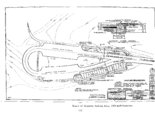
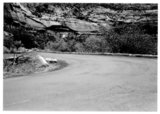
Show NPS Form 10-900-a (8-86) OMB No. 1024-0018 United States Department of the Interior National Park Service NATIONAL REGISTER OF HISTORIC PLACES CONTINUATION SHEET Section 8 Page 9 Washington County, UT Zion National Park MRA visitors to the parks of the Colorado Plateau. Known as the "Grand Circle," this tourism route looped through Southern Utah and Northern Arizona transporting tourists to Zion, Grand Canyon, and Bryce Canyon national parks; Cedar Breaks and Pipe Spring national monuments, and the Dixie, Powell, and Kaibab national forests. The Union Pacific transported tourists by train to the station in Cedar City, where passengers then paid a flat fee to take an automobile excursion through the loop. En route, they stayed at park lodges at Zion, Grand Canyon, and Bryce Canyon, all built and owned by Union Pacific. The automobile portion of the loop could take anywhere from three days to two weeks, depending on the preferences of the customer. The present day Floor of the Valley Road was constructed from 1931 to 1932 (also referred to as the "Zion Canyon Scenic Drive"). The reconstruction of the road was part of the emergency employment program initiated by Congress in response to the Great Depression, even prior to President Franklin D. Roosevelt's public work programs. Superintendent Thomas J. Alien Jr. conveyed to the NPS Director in his August 29, 1931 report that "a road of modern standards [had been] substituted for the old unsatisfactory canyon road" and that the project "helped very materially in relieving unemployment conditions in this section." The new road was located further down the canyon wall, closer to the canyon floor, hence the name. It continued approximately one mile further south to the new southern boundary (additional land having been acquired in 1931). Road design and construction followed the strict guidelines developed by the NPS Western Office of Design and Construction (WODC), Landscape Division. The Western Office assigned landscape architect Harry Langley to work in Zion, Grand Canyon, and Bryce Canyon national parks and Cedar Breaks and Pipe Springs national monuments to ensure the office's design philosophy and guidelines were adhered. Langley reported to the Western Field Office but was to be responsive to park needs by assisting in the design and supervision of park projects (including the design and construction of the Floor of the Valley Road) while ensuring the preservation of the park's a natural appearance. Guidance from the WODC included guidelines on the design of the curbing, culverts, bridges, pullouts and overlooks, intersections, guardrails, river bank revetments, and the treatment of road banks, including placement of vegetation. In addition to Langley's part-time supervision of landscaping issues, Thomas C. Parker, Associate Engineer from the Field Office, was appointed to supervise all construction work in the park during this time. According to the same 1931 report by Superintendent Thomas referenced earlier, Parker |