| OCR Text |
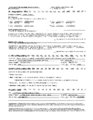
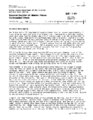
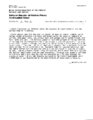
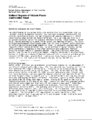
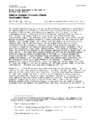
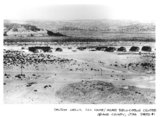
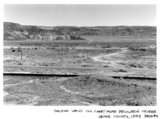
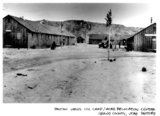
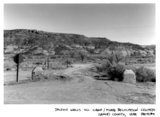
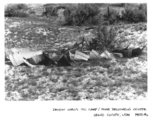
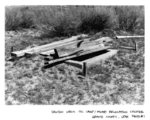
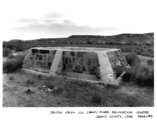
Show NFS Form 10-900-a Utah WordPerfect 5.1 Format (Rev. 2/93) OMB No. 10024-0018 United States Department of the Interior National Park Service National Register of Historic Places Continuation Sheet Section No. 8 Page 4 Dalton Wells CCC Camp/Moab Relocation Center, Grand County, UT The second federal policy decision was the War Relocation Authority's resettlement of Japanese American citizens to inland locations to neutralize their threat as a potential "fifth column" and saboteurs on America's Pacific Coast. Called "internment centers," camps such as those at Manzanar and Tule Lake, California, Gila, Arizona, and Topaz, Utah were bleak at best and little better than concentration camps. The abandoned Dalton Wells CCC camp was converted to the Moab Relocation Center, becoming in effect a penal institution for the internment camp system. Fear, trauma, anger, and bigotry fired the removal of alien and citizen Japanese Americans to the main camps. As the numbness and shock of forced relocation wore off, groups of internees, often led by those holding American citizenship, began to ask embarrassing questions, demand better treatment, and to point out corruption in the camps' administration. This group of internees also came into conflict with members of the Japanese American Citizen's League (JACL), an organization in the camps that sought to cooperate with the WRA and whose members dominated community councils established in the camps as liaisons between the inmates and the WRA. Such "troubles" began at Manzanar in late 1942 but were common occurrences in all the camps. Rather than address their grievances, the War Relocation Authority shipped sixteen of the Manzanar "ringleaders" to the abandoned CCC camp at Dalton Wells. This first group arrived on January 11, 1943. Thirteen more from Gila arrived on February 18, followed six days later by ten more from Manzanar. The Tule Lake camp sent fifteen on April 2. Conditions in Dalton Wells were worse than conditions in the regular camps. The inmates, all men, were denied permission to visit Moab, had their mail censored, and were not allowed contact with their families. The site itself had been abandoned for some time, though how long is unclear, so considerable building repair was necessary to make the relocation center habitable. One officer in charge of the camp suggested that the inmates might be made available for range improvement projects, suggesting the possibility of forced labor. Even at Dalton Wells, protests against harsh treatment and poor living conditions and conflict between dissenters and JACL members and sympathizers continued, resulting in the removal of X See continuation sheet 4In a telegram to the War Relocation Authority in Washington D.C., on January 11, 1943, Commander R.R. Best calls the Dalton Wells facility the "Moab Relocation Center." Contemporary newspaper articles refer to the camp as the Dalton Wells CCC camp or relocation center. 5Report, "Leupp Isolation Center," 2. 6Richard Drinnon, Keeper of Concentration Camps (Berkeley: University of California Press, 1987), 98-99. 7Lloyd Pierson, "The Moab Concentration Camp," The Zephyr. July 1989, 20. 8Times-Independent (Moab), 12/31/42, 1. |