| OCR Text |
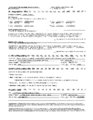
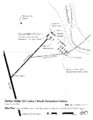
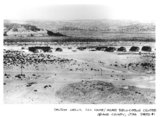
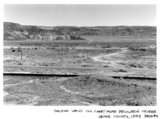
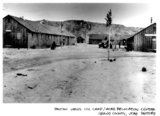
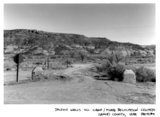
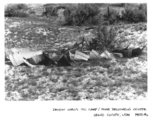
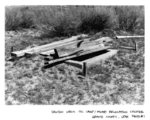
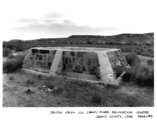
Show NPS Form 10-SOO-a Utah WordPerfect 5.1 Format (Rev. 2/93) QMB No. 10024i>t)i8 United States Department of the Interior National Park Service National Register of Historic Places Continuation Sheet Section No. 7 Page 1 WAR 1 8 1994 NATIONAL REGISTER Dalton Wells CCC Caiflp/Moab Relocation . '>• , &£&nd Count 4. tff " Narrative Description The Dalton Wells CCC Camp/Moab Relocation Center site is located approximately 13 miles north of Moab just east of US Highway 191. Accessed by a straight, graded road about 1000 feet in length, the site of the CCC camp is on the western edge of the wide, sandy flood plain of Courthouse Wash (see site plan). Barren hills and cliffs rise on both the east and west sides of the mile-wide valley. The Thompson railhead, which provided rail transportation and access during the historic period, is about 22 miles further north. Historic photos from the mid 1930s show the main highway as a narrow graded road. While adequate water was developed for the CCC camp and later minimal agricultural purposes, the site is one of over-powering isolation and remoteness (see Photo No. 1). All of the buildings that comprised the CCC camp are gone; however, some of the concrete foundation pads remain. The roadways into and within the camp are still mostly discernable. Two concrete pylons that once held the camp signage/entry portal remain, located on the main access road and about 100 feet from US 191 (see Photo No. 3). A few of the whitewashed rock-outlined pathways are visible (see Photo No. 5). Many of the camp roads and pathways were graveled to help prevent trucks and equipment from sinking and getting stuck in the fine sand. Also present in the area is an above-ground stone reservoir or cistern (located about 600 feet northwest of the camp), the concrete opening of a well with the collapsed remains of a windmill (see Photo Nos. 5 & 6), and a loading dock on the edge of the wash. This latter element may post-date the historic period. The cistern is approximately 20 feet square and 6 feet tall (see Photo No. 8). The foot-thick stone walls are braced by battered stone buttresses on the corners and at mid-point on the side walls. The base of the buttresses span a small, curious stone moat that encircles the cistern at its base. A few inlet/outlet pipes are present within the cistern which has apparently been repaired and used within the last ten years or so. Pipes visible within the concrete opening of the well angle directly toward the cistern and were apparently the supply lines. While it appears to be of CCC-era construction, some accounts place its construction after the governmental uses of the site. The inclusion of the moat, which would function well as a stock watering trough supports this idea of later construction. Until this issue is resolved, this element is considered noncontributing to the site and is not included in the currently proposed boundaries. A small, one-room ranching shack is also present on the site, but is of fairly recent construction. Several large, mature cottonwood trees outline a portion of the primary entrance area of the camp with a second group near the south end of the camp. Historic photos show these trees as saplings planted during the CCC period (see Photo No. 2). Other trees at the east end of the site may represent saplings planted later by the CCC. Most of the limited natural vegetation was apparently removed during construction of the camp in 1935. While the visible remains of a few X See continuation sheet |