| OCR Text |
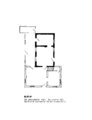
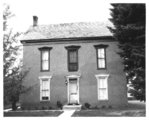
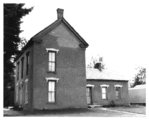
Show 8. Significance Period prehistoric 1400-1499 1 500-1 599 1600-1699 1700-1799 x 1800-1899 1900- Specific dates Areas of Significance Check and justify below archeoloav-nrehistorie communitv nlannina archeology-historic agriculture _X_ architecture art commerce communications 1853, 1877 conservation economics education engineering exploration/settlement industry invention Builder/Architect landscape architecture law literature military music philosophy politics/government religion Gf*ionf*A sculpture social/ humanitarian theater transportation other (specify) unknown Statement of Significance (in one paragraph) The Wood-Ham*son house in Springville, built in two historical stages, is significant as the architectural manifestation of the economic and social changes occurring throughout Utah during the latter decades of the nineteenth century. The original section of this adobe house was completed in 1853 by Lyman Wood, an early settler and civic leader in Springville. This 24 s x 14', one-story, "rectangular cabin" type house was typical of residences found here during the initial years of settlement. By 1873, the property had been sold to George Harrison, a local entrepreneur, who in 1877 added a two-story, four-room house to one end of the existing Wood structure. Harrison's new house, a hall-and-parlor I-house type, was a ubiquitous symbol of economic achievement in Utah during the second half of the nineteenth century. The move from smaller cabin to two story house during the 1850-80 period marks the general growth and development of Springville from a frontier fanning town to a freighting and transportation center for central Utah. The Wood-Harrison house, identified and evaluated as part of an architectural survey of Springville in 1981, remains the best known and more carefully documented residence reflecting this historical transition. Members of The Church of Jesus Christ of Latter-day Saints, Mormons, arrived in Utah in 1847 searching for a haven from the persecutions which had driven them from Illinois. 1 A town was established near the Great Salt Lake and soon colonists were dispatched from the parent community to establish protective outposts to the north and south. The presence of a sizeable Native American population in Utah Valley, just south of Salt Lake City, discouraged the immediate occupation of the area. By 1849, however, Fort Utah had been established at the present site of Provo and shortly thereafter eight new communities followed. One desireable site was along Hobble Creek, south of Fort Utah, and Brigham Young, LDS church president, selected men and women comprising eight wagon teams to settle the area in September of 1850. This community soon became known as Springville. 2 During the first winter at Springville, a fort was built of logs and a townsite surveyed. The community was laid out in a grid-pattern according to the settlement policies set forth by the church leadership. 3 The summer of 1851 saw the completion of the first houses outside the fort; most were built of logs but several were adobe. A sawmill and adobe yard were quickly established and irrigation canals soon were bringing water to both the city lots and surrounding farmland. By 1855 there was a home on nearly every lot in Plat A of the city survey. Most dwellings were small, one story affairs, similar to the home Lyman Wood built on his property in 1853. |