| OCR Text |
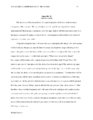
Show THERE ARE NO IMMIGRANTS IN THE WORLD 34 Chapter III: Methods This chapter provides an overview of the project, context, and research participants including, how the participants were recruited for the project. A discussion of ethical implications and personal biases that may have affected the interpretation of the data is also examined. Qualitative research requires the use of a variety of methods to ensure the validity of findings; therefore, I outline the use of prolonged engagement, researcher reflexivity, and member checking to add credibility to my assertions. Lastly, I explore methods, including questions and interview structure as well as analysis of findings, in order to give the reader a more thorough understanding of the project in its entirety. Question and Context Utah, the Salt Lake Valley in particular, sustained a steady amount of economic growth during the 2008 recession and many undocumented immigrants settled in Utah because jobs were still relatively abundant (Smith, 2014). This meant there was a large pool of potential participants in the Salt Lake area to choose from. Also, having lived and worked as a community organizer in the Salt Lake Valley for almost five years, I was a familiar with the demographics of the area and knew where to go (geographically) to reach out to individuals that met my research requirements. For these reasons, I chose to conduct this research project in the Salt Lake Valley. The focus of this research was to 1) engage undocumented Mexican immigrant men in a personal narrative project in order to highlight their voices, 2) gain understanding of the lived experiences of undocumented immigrant men and what effect these experiences have had on their self-perception and personal choices, 3) share their stories with the larger community in order to remove the label of "illegal" and show the individuals rather than the rhetorical labels |