| OCR Text |
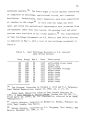
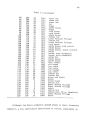
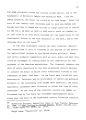
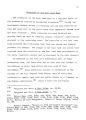
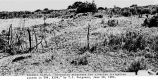
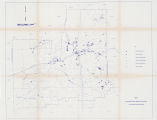
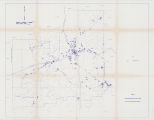
Show 156 farming, no teams to farm with, no teams to clear out the irrigation canals."230 The Contemporary Zuni Livestock Industry. Since the 1930s the size of cooperative groups running stock has decreased while their number has increased. In the 1970s the eighteen administrative units established by the BIA were further subdivided into eighty-six individually assigned grazing units with fixed boundaries. There are also two cattle associations with summer and winter ranges. Grazing on the reservation is now regulated by a Tribal Range Code administered by the BIA. 231 Fencing of grazing areas for livestock control began in a substantial way in the 1940s. Prior to that fences were mainly to protect farms. 232 Today the reservation is being extensively fenced so the open range can be converted to pastures. As one stockman explains, "... I'm building fences in order to make that into pastures, and then I can regulate my use, manage it Kb et«-t-e r. "233 For families participating in the stock industry, the development of permanent facilities at "sheep camps" or ranches within their grazing units has provided one means of adjusting to changes in the Zuni economy. Most sheep camps today consist of 2 3 0 Nathaniel Nasheboo, Interview by E. Richard Hart, Zuni Pueblo, June 4, 1973. 2 3 1 Calvin Eustace, Interview by T.J. Ferguson, Zuni Pueblo, December 18, 1984, pp. 9-11. 2 3 2 May Peina, Interview by Dana Lepofsky, Zuni Pueblo, August 14, 1984, p. 4. 2 3 3 Calvin Eustace, Interview by T.J. Ferguson, Zuni Pueblo, December 18, 1984, pp. 9; 13, 22. |