| OCR Text |
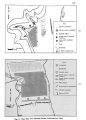
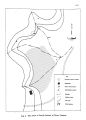
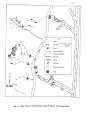
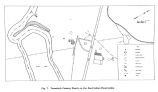
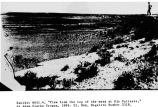
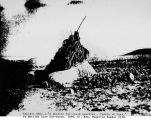
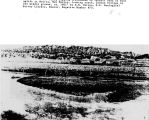
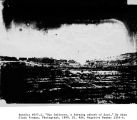
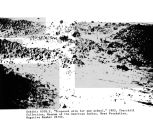
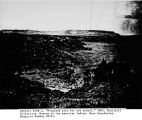
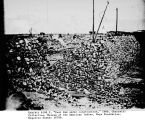
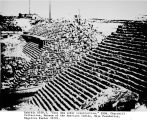
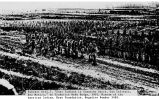
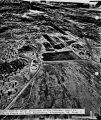
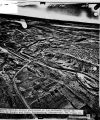
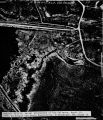
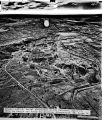
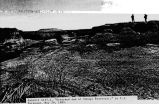
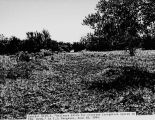
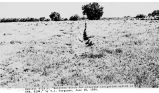
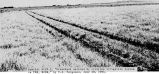
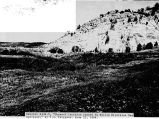
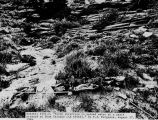
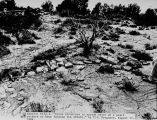
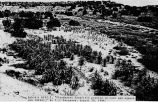
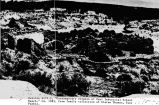
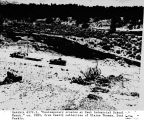
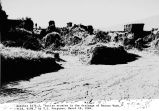
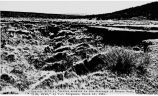
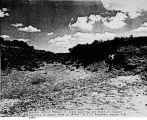
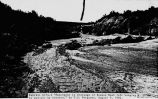
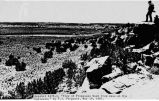
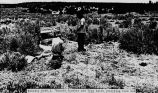
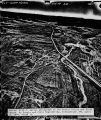
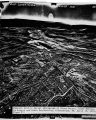
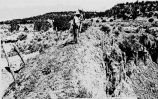
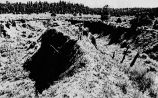
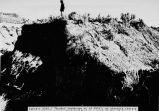
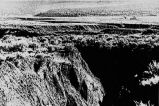
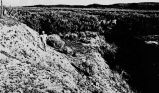
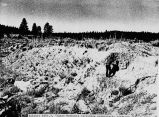
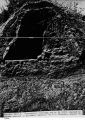
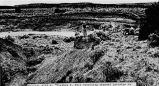
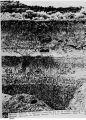
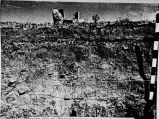
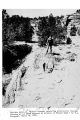
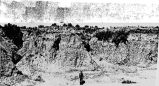
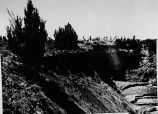
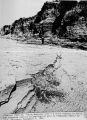
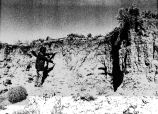
Show 96 As with the earlier type of dam, the Zunis apparently expected the structure to occasionally wash out. The scale of the structures was small enough, however, that there was no permanent damage, and the structures were relatively easy to repair. Once the channel of the Rio Nutria began to erode it became difficult to maintain this type of dam. At that point the Zunis constructed a dam and reservoir near a narrow gap in the Hogback half way between Upper Nutria village and the springs at Nutria Canyon. This dam has a long and complex history of failure and reconstruction. After the Zunis initially constructed the dam using draft animals and scrapers, the BIA rebuilt it into the Nutria Diversion Dam, making it larger in the process. At that point, as one Zuni man describes .„ 135 it, This dam broke in the middle. Just the runoff from the spring time. At that time it didn't have the two tunnels and no spillway. Just run over and pop the dam. It cut a gully. After this incident spillways were tunneled through the Hogback at the eastern end of the dam. An incised channel was eroded where the spillway released water into the Rio Nutria, which has continued to erode, damaging farmland on the east bank downstream from the dam. The storage capacity of the Nutria Diversion Dam was greatly reduced due to siltation from the watershed off the Zuni Indian Reservation, including land managed by the U.S. Forest Service. Several Nutria farmers thought the watershed had been overtimbered, and that this contributed to the 135 Ferg Chauncey Simplicio, Interview by Richard I. Ford and T.J. uson, Nutria Area, Zuni Reservation, July 7, 1984 , p. 19. |