| OCR Text |
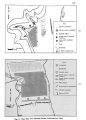
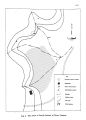
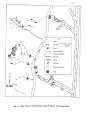
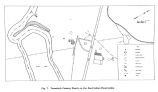
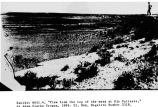
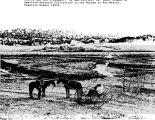
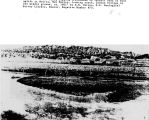
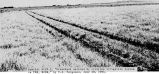
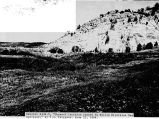
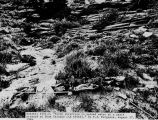
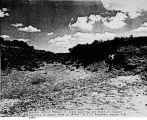
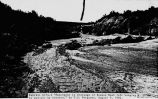
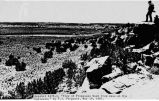
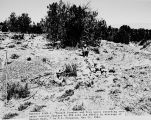
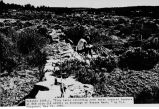
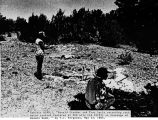
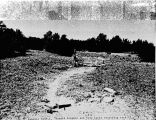
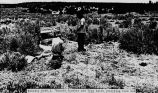
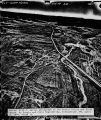
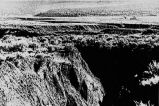
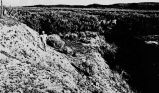
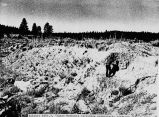
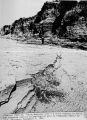
Show 93 the initiation of irrigated agriculture, following the general land use pattern evident at the other seasonally occupied farming villages. Some of this rainfall farming was conducted at ranches that were the nexus of sheepherding activities as well as f-a rmi.n g. 128 At one of the these ranches in the Tekapo area the Zunis constructed a dike partially across the Zuni River to drain water into a ditch system that was used to irrigate both farmland and grassland on the range. This riverine irrigation system was originally constructed using draft animals; today it is maintained with a backhoe. The low earthen dike constructed to direct water into the system extends only partially across the river so that it will not capture silt. The ditches were originally about .6 m (2 ft) wide, the width of a horse-drawn scraper, and 1 m (3 ft) deep. During the late 1930s and 1940s the flow of the Zuni River was reduced, making it difficult to operate this system on a regular basis. Today the system is only activated in years of high precipitation. Some of the farmland along the Zuni River on this ranch was damaged in the 1965 when a dike was breached at Tekapo village, causing the Zuni River to cut a new channel through the farmfield. The irrigation of rangeland to improve grassland on this ranch is is an example of 1 2 8 Leo Nastacio, Interview by T.J. Ferguson, Zuni Pueblo, August 29, 1984, pp. 37-39. Joe Tsabetsaye, Interview by T.J. Ferguson, Zuni Pueblo, September 14, 1984, p. 1. |