| OCR Text |
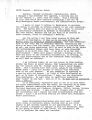
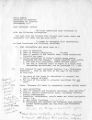
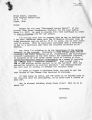
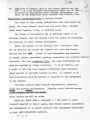
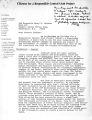
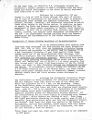
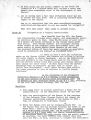
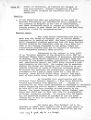
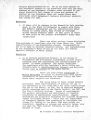
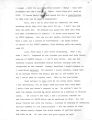
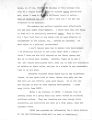
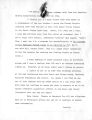
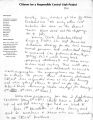
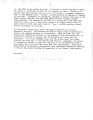
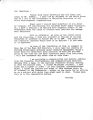
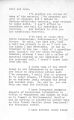
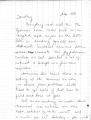
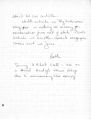
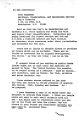
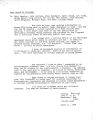
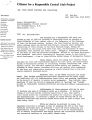
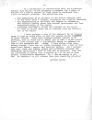
Show The Draft EIS has a number of major deficits. 1) The Draft EIS does not even mention the recently proposed Salt Lake County dual water system. This system would make use of water, approximately 150,000 acre feet of water, that is presently flowing unused through Salt Lake County canals. A dual water system would also provide a means of utilizing lower quality ground water. For instance, as pointed out in a 1971 report by the Geological Survey, pumping 50,000 acre feet of ground water in northern Salt Lake County would salvage 30,000 acre feet of ground water presently lost to evapotransporation. Thus, a dual water system would allow the use of between 180,000 and 200,000 acre feet of presently unused Salt Lake County water. It is inconceivable that Utah can allow any area of the State to throw away such a large quantity of water. If a dual water system is not built, it will mean that the Central Utah Water Conservancy District and the Bureau of Reclamation built the Strawberry Resevoir Collection System costing $200,000,000 in order to dewater the Uintah Basin, dump the water into Utah Lake so that the Salt Lake canal companies can dump the water unsued into the Great Salt Lake. Finally, the construction of a Salt Lake County dual water system would demand replanning the CUP's Bonneville Unit, and that the Bureau of Reclamation is planning to start construction of the wrong section of the Bonneville Unit. With the dual water system instead of building Jordanelle the Bureau should direct its attention to the Diamond Fork complex. 2) The DEIS does not adequately deal with the ground water available in Salt Lake County. Othe alternative sources of M&I water are not adequately discussed. In the past arguments regarding ground water as an alternative to the Bonneville Unit have deteriorated into technical arguments confusing the public and leading to no resolution of the argument. The M&I DEIS does not deal with the question buqmerely states that approximately 40,000 acre feet of ground water is available, seemingly a solution by bureaucratic fiat. Unfortunatly, such an easy solution is not a correct or an economically reasonable solution. The U. S. Geological Survey, in its 1971 survey of the water resources of the Salt Lake Valley concluded that "studies... indicate that the mean annual withdrawal could be at least doubled in all areas except northwest of Magna (from 133,000 a. f. in 1971 to 266,000 a. f. of water)". This increase in withdrawal would not cause excessive declines of water level or streamflow or deterioration of chemical quality. The report further noted that annual recharge in the Salt Lake Valley is approximately 367,000 a. f./year contributing to a ground water reservoir or 60,000,000 a. f. In 1976 the Geological Survey in its report on ground water resources of the Great Basin noted that, "If an effective planning effort is to be made, more information is needed on. the ground water resources, the potential for additional development, the conditions to be met for successful development, and the planning, implimentation,operations, and maintenence of ground water supply systems." |