| OCR Text |
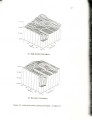
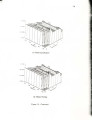
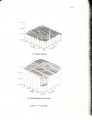
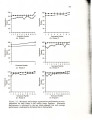
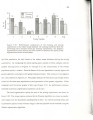
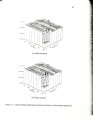
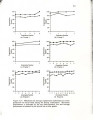
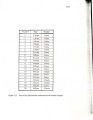
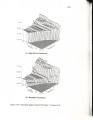
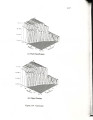
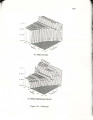
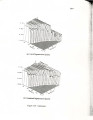
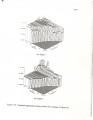
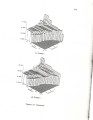
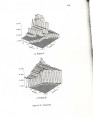
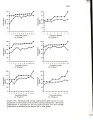
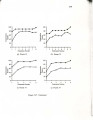
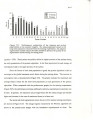
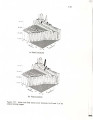
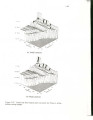
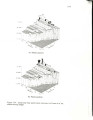
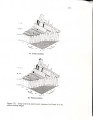
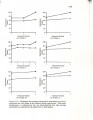
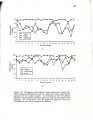
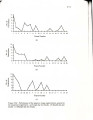
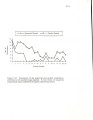
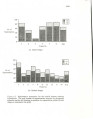
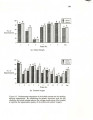
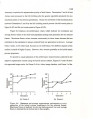
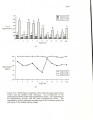
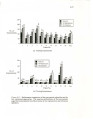
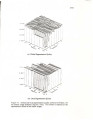
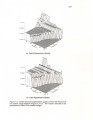
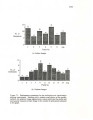
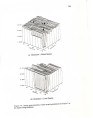
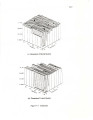
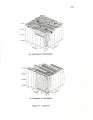
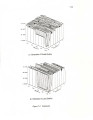
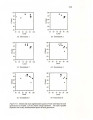
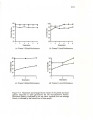
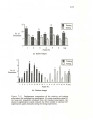
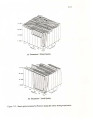
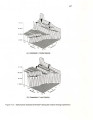
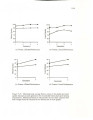
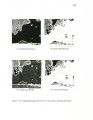
Show 6.3 Random Walk Approach Since there are no other known adaptive segmentation techniques in the computer vision field to compare the adaptive system with, I evaluated the optimization capabilities of the adaptive image segmentation system relative to a random walk through the search space. This experiment was conducted only on the training images (1,3,...,19) of the outdoor image database so that the adaptive segmentation system would not benefit from the reuse of segmentation experience obtained from processing previous images. The intent of this restriction was to measure the efficiency of the genetic algorithm in optimizing a complex search surface. The comparison of different optimization procedures can be usually made by two approaches. The first approach is to run each procedure until the solution is higher than a predefined threshold of acceptance and then compare the computational efforts. This approach is useful only when the desired solution is known a priori. It was fortunate that I could apply this approach because the segmentation quality surfaces were defined exhaustively in this work. The second approach is to run the optimization procedures for the same amount of computational effort and then compare the quality of the solution. This approach was also applied to compare the performance of the adaptive segmentation technique with the random walk. In order to apply the first approach, the termination criteria for the adaptive segmentation system were simplified so that when a surface point with 95% segmentation quality or better was located, the optimization process would terminate. The random walk technique searched the segmentation quality surface by visiting points produced by a pseudo-random number generator and used the same 95% termination criteria. In addition, in order to ensure the correctness of the results, each segmentation quality surface was optimized by each technique 100 times and the results were averaged to create the performance figures. 193 Figure 6.10(a) presents a performance comparison of the adaptive segmentation |