| OCR Text |
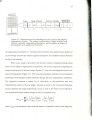
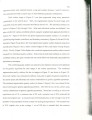
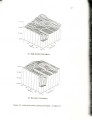
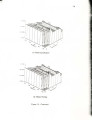
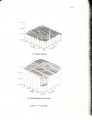
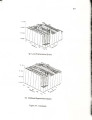
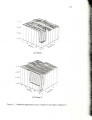
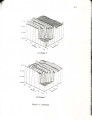
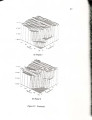
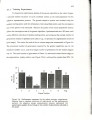
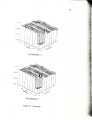
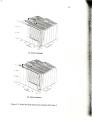
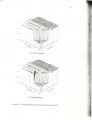
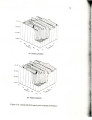
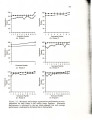
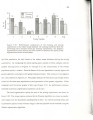
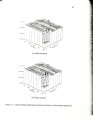
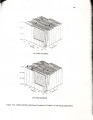
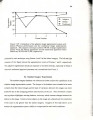
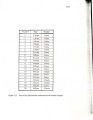
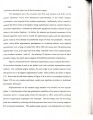
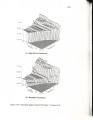
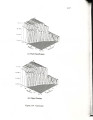
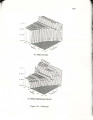
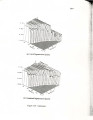
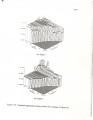
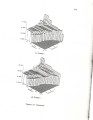
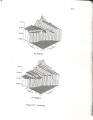
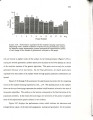
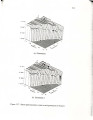
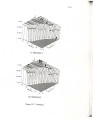
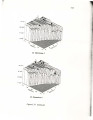
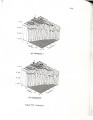
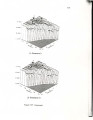
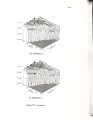
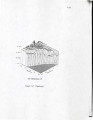
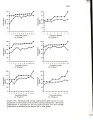
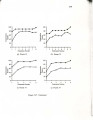
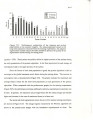
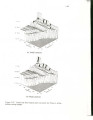
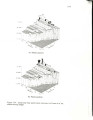
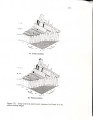
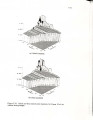
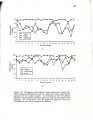
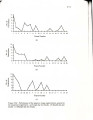
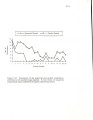
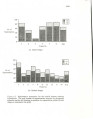
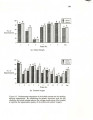
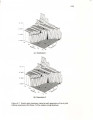
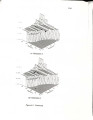
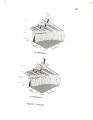
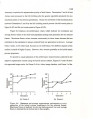
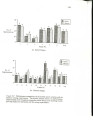
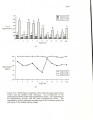
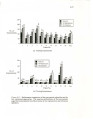
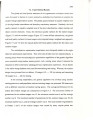
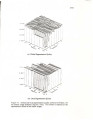
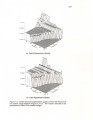
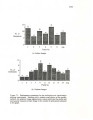
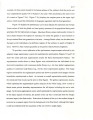
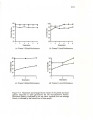
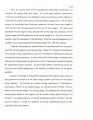
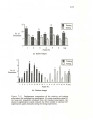
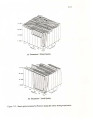
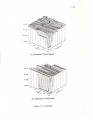
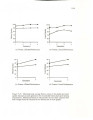
Show show a continually decreasing level o f computational effort. When the second sequence (frames {3,7,11,14,18}) is en countered, the effort increases temporarily as the adaptive process fills in the knowledge gaps present as a result o f the differences between the images in each sequence. The image sequence for the third "day" (frames {2,6,10,13,17}) was handled with almost no effort by the genetic algorithm. Finally, the fourth image sequence (frames {4,8,15,19}) requires no effort by the genetic algorithm at all; each image is optimized by the information stored in the long-term population. Note that the multiple day test contains the largest number o f frames processed with no help from the genetic algorithm. The adaptive process optimizes 12 o f the 20 frames in this test using the longterm population. On the average, the adaptive segmentation system visits approximately 2.5% o f the search space (i.e., less than 2.5 generations) for each of the three sequential experiments. A final comparison contrasts the performance o f the sequential experiments and the parallel experiments described earlier. Figure 5.67 examines the reduction in effort obtained by the sequential processing tests. The performance figures for the parallel results are obtained from data in Figure 5.51. For each image in the outdoor database, the sequential tests provide fewer numbers o f generations in order to optimize the segmentation quality. As before, we can see that Frames 6, 14, and 18 required additional processing effort regardless o f the approach used during the experiments. The results in Figure 5.67 provide strong evidence for the utilization o f a sequential approach to the image segmentation optimization problem. The above tests also demonstrate that the process of adaptive image segmentation can be performed in a completely unsupeivised mode. I l l |