| Title |
Topaz Oral History Project research files: Research files, part 1 |
| Alternative Title |
Miscellaneous papers and illustrations from the Topaz Oral History Project, collected by Sandra C. Taylor of the University of Utah Department of History] |
| Creator |
Taylor, Sandra C. |
| Contributor |
Tsuzuki, Byron Tadashi |
| Publisher |
Digitized by J. Willard Marriott Library, University of Utah |
| Date |
1944 |
| Date Digital |
2014-03-25 |
| Access Rights |
I acknowledge and agree that all information I obtain as a result of accessing any oral history provided by the University of Utah's Marriott Library shall be used only for historical or scholarly or academic research purposes, and not for commercial purposes. I understand that any other use of the materials is not authorized by the University of Utah and may exceed the scope of permission granted to the University of Utah by the interviewer or interviewee. I may request permission for other uses, in writing to Special Collections at the Marriott Library, which the University of Utah may choose grant, in its sole discretion. I agree to defend, indemnify and hold the University of Utah and its Marriott Library harmless for and against any actions or claims that relate to my improper use of materials provided by the University of Utah. |
| Spatial Coverage |
Topaz Camp, Millard County, Utah, United States, http://sws.geonames.org/5548582/ |
| Subject |
Japanese Americans--Interviews; Japanese Americans--Forced removal and internment, 1942-1945; Central Utah Relocation Center |
| Description |
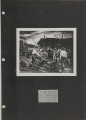
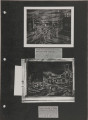
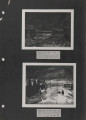
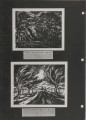
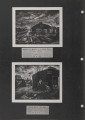
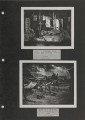
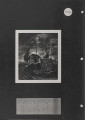
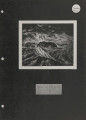
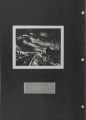
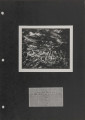
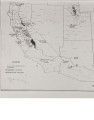
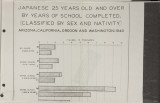
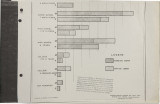
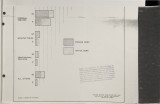
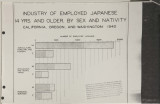
A collection of miscellaneous papers and illustrations from the Topaz Oral History Project, collected by Sandra C. Taylor of the University of Utah Department of History, including photos of paintings by Byron Tadashi Tsuzuki; copy of an editorial from a Japanese newspaper dated May 17, 1906, with English translation; Sandra Taylor's list of people to interview in 1987-1988; tables showing "Industry of employed Japanese, 14 yrs and older, by sex and nativity, California, Oregon, and Washington, 1940"; bibliographies; Sandra C. Taylor correspondence; Identification of photographs; etc. |
| Collection Number and Name |
1002; Topaz Oral Histories |
| Type |
Text |
| Genre |
oral histories (literary works) |
| Format |
application/pdf |
| Language |
eng |
| Rights |
 |
| Relation |
http://archiveswest.orbiscascade.org/ark:/80444/xv97265 |
| Scanning Technician |
Matt Wilkinson |
| Conversion Specifications |
Original scanned with Kirtas 2400 and saved as 400 ppi uncompressed TIFF. PDF generated by Adobe Acrobat Pro 9 for CONTENTdm display |
| ARK |
ark:/87278/s6vh74xv |
| Topic |
Japanese Americans; Evacuation and relocation of Japanese Americans (United States : 1942-1945); Central Utah Relocation Center |
| Relation is Part of |
Mitsugi M. Kasai Memorial Japanese American Archive |
| Setname |
uum_toh |
| ID |
1043247 |
| Reference URL |
https://collections.lib.utah.edu/ark:/87278/s6vh74xv |
| Title |
Page 52 |
| Format |
application/pdf |
| Setname |
uum_toh |
| ID |
1043227 |
| OCR Text |
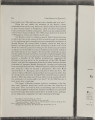
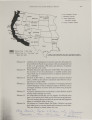
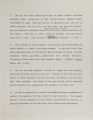
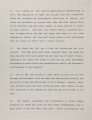
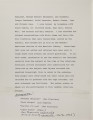
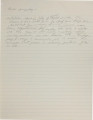
Show 7. One of the most famous pictures of Topaz showed children pledging their allegiance to the United States despite their internment in camp. Mary Ann Yahiro, in the plaid coat, was one of these children; she not only lost her home, but also her mother, because she was a teacher who was removed to another camp/and died before being reunited with her family. She now, in 1992, lives in Chicago, and has bitter Examiner memories of camp. (San Francisco ~R=:l.=c:l:e=; February 16 , 1992.) 8. The nursery or "play center" at Tanforan was established by Keiko Uchida in a small four-room cottage. It was the first time Keiko had been able to utilize her Mills College training, and the teachers there provided instruction for nearby children. Ultimately there were four such schools there. (Uchida, Desert Exile, pp. 87-88). 9. One of the most poignant rituals at Topaz was the ceremony honoring the Nisei killed in the war. The men of the 442/100 were proud of their military service and brave in battle, but the fact that their mothers, like those of the men killed, still remained behind barbed wire, emphasized the injustice of camp life. 10. As Topaz prepared for closure the Buddhist church headquarters packed its supplies for the return to San Francisco. The church served a strong community in the center and provided assistance in helping returnees to the Bay Area find lodging and employment. |
| Reference URL |
https://collections.lib.utah.edu/ark:/87278/s6vh74xv/1043227 |