| Title |
John "Jack" Schneller, West Valley City, Utah: an interview by Becky B. Lloyd, July 2, 2004: Saving the Legacy tape no. 676 |
| Alternative Title |
John "Jack" Schneller, Saving the legacy: an oral history of Utah's World War II veterans, ACCN 2070, American West Center, University of Utah |
| Creator |
Schneller, John "Jack", 1926- |
| Contributor |
Lloyd, Becky B.; University of Utah. American West Center |
| Publisher |
Digitized by J. Willard Marriott Library, University of Utah |
| Date |
2004-07-02 |
| Date Digital |
2015-12-16 |
| Access Rights |
I acknowledge and agree that all information I obtain as a result of accessing any oral history provided by the University of Utah's Marriott Library shall be used only for historical or scholarly or academic research purposes, and not for commercial purposes. I understand that any other use of the materials is not authorized by the University of Utah and may exceed the scope of permission granted to the University of Utah by the interviewer or interviewee. I may request permission for other uses, in writing to Special Collections at the Marriott Library, which the University of Utah may choose grant, in its sole discretion. I agree to defend, indemnify and hold the University of Utah and its Marriott Library harmless for and against any actions or claims that relate to my improper use of materials provided by the University of Utah. |
| Spatial Coverage |
Pacific Ocean; Italy |
| Subject |
Schneller, John "Jack", 1926- --Interviews; Veterans--United States--Biography; World War, 1939-1945--Personal narratives, American; World War, 1939-1945--Naval operations, American |
| Keywords |
Troop transport |
| Description |
Transcript (41 pages) of an interview by Becky B. Lloyd with John "Jack" Schneller on July 2, 2004. From tape number 676 in the "Saving the Legacy" Oral History Project |
| Collection Number and Name |
Accn2070, Saving the Legacy oral history project, 2001-2010 |
| Abstract |
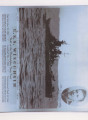
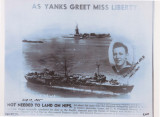
Schneller (b. 1926) joined the Navy in 1944 and took basic training in Farragut, Idaho. He joined the crew of the USS General Stewart AP-140 operating as a troop transport to the Pacific. The ship also operated in the Atlantic. Schneller crossed the Panama Canal three times. He joined the crew of the USS Wisconsin BB-64, transporting reservists on maneuvers until discharged in 1947. Interviewed by Becky Lloyd. 49 pages. |
| Type |
Text |
| Genre |
oral histories (literary works) |
| Format |
application/pdf |
| Extent |
49 pages |
| Language |
eng |
| Rights |
 |
| Scanning Technician |
Mazi Rakhsha |
| Conversion Specifications |
Original scanned with Kirtas 2400 and saved as 400 ppi uncompressed TIFF. PDF generated by Adobe Acrobat Pro X for CONTENTdm display |
| ARK |
ark:/87278/s68k9c52 |
| Topic |
Personal narratives--American; Veterans; World War (1939-1945); Military operations, Naval--American |
| Setname |
uum_slohp |
| ID |
1034015 |
| Reference URL |
https://collections.lib.utah.edu/ark:/87278/s68k9c52 |
| Title |
Page 23 |
| Format |
application/pdf |
| Setname |
uum_slohp |
| ID |
1033986 |
| OCR Text |
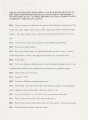
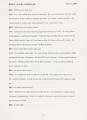
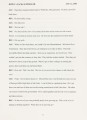
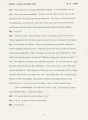
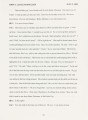
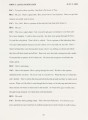
Show JOHN C. (JACK) CHNELLER JUL 2 2004 th u; General M B. Stewart. It says here, 'The General tewarl Ho pi tal would b a credit to any progressive US community of 3500 population. Staffed by three Navy doctors and two Army doctors and nineteen Navy and Army enlisted men, the tewart 's sick bay can accommodate 300 men at any one time. The hospital has twenty-eight beds allocated to the Army on this trip with ample space for more men, if necessary. The Navy and Marine personnel have their own wards, a surgical ward, a psychiatric therapy and treatment ward, and eight locked wards of violent cases, complete with berthing arrangements." We used to go down there and some of those guys, they were totally lost. All those locked cells were padded. Those guys would beat their heads against those walls. It was a shame. BEC: That must have been terrible to see. JAC: It was terrible. "The operating room is an up to date place containing two autoclaves, two sterilizers and cabinets filled with instruments and sterile articles for other surgical work. Over the operating table was a battery of powerful lights which operated off the ship's current, but which could be replaced by emergency battery spots in the event of a power breakdown. The sick bay also houses an x-ray room, dental office, pharmacy, and diet kitchen. The Stewart had brought back casualties from the Philippine Islands and wounded who were flown to Pearl Harbor from Iwo Jima. On its last trip from Calcutta, the Stewart took to the States 400 patients of the 142nd General Hospital. Hospitals are a good place to stay away from. However, should you require the assistance of the Army or Navy medics, rest assured that the Stewart's staff has the skill and equipment to put you on your feet quickly." It's surprising. People don't stop to think that they've got a medical staff on a ship like that. 23 |
| Reference URL |
https://collections.lib.utah.edu/ark:/87278/s68k9c52/1033986 |