| Title |
Robert W. Hatch, Bountiful, Utah: an interview by Benjamin Bahlmann, 27 September 2002: Saving the Legacy tape nos. 542-543 |
| Alternative Title |
Robert W. Hatch, Saving the legacy: an oral history of Utah's World War II veterans, ACCN 2070, American West Center, University of Utah |
| Creator |
Hatch, Robert W., 1921- |
| Contributor |
University of Utah. American West Center; Bahlmann, Benjamin J. |
| Publisher |
Digitized by J. Willard Marriott Library, University of Utah |
| Date |
2002-09-27 |
| Date Digital |
2015-12-16 |
| Access Rights |
I acknowledge and agree that all information I obtain as a result of accessing any oral history provided by the University of Utah's Marriott Library shall be used only for historical or scholarly or academic research purposes, and not for commercial purposes. I understand that any other use of the materials is not authorized by the University of Utah and may exceed the scope of permission granted to the University of Utah by the interviewer or interviewee. I may request permission for other uses, in writing to Special Collections at the Marriott Library, which the University of Utah may choose grant, in its sole discretion. I agree to defend, indemnify and hold the University of Utah and its Marriott Library harmless for and against any actions or claims that relate to my improper use of materials provided by the University of Utah. |
| Spatial Coverage |
England; France; Germany |
| Subject |
Hatch, Robert W., 1921- --Interviews; Veterans--Utah--Biography; World War, 1939-1945--Personal narratives, American; World War, 1939-1945--Aerial operations, American; World War, 1939-1945--Campaigns--Europe, Northern--Personal narratives, American |
| Keywords |
Army Air Corps; Fire battalions; Fire marshalls; Firefighting |
| Description |
Transcript (59 pages) of an interview by Benjamin Bahlmann with Robert W. Hatch on September 27, 2002. From tape numbers 542 and 543 in the "Saving the Legacy" Oral History Project |
| Collection Number and Name |
Accn2070, Saving the Legacy oral history project, 2001-2010 |
| Abstract |
Hatch (b. 1921) grew up in Woods Cross, Utah. He recalls family experiences sheep ranching in Utah. A railroad agent, he was deferred from military service, but he turned down the deferment. He was drafted in August 1942. He was placed in the Airs Corps, and speaks of many experiences in the Fire Battalions to which he had been assigned. He rose quickly in rank, eventually attending OCS at Ft. Belvoir, Virginia in 1943. He eventually became the Fire Marshall of the 15th Air Force in Riverside, California. He retired in 1965. Interviewed by Robert Hatch. 59 pages. |
| Type |
Text |
| Genre |
oral histories (literary works) |
| Format |
application/pdf |
| Extent |
59 pages |
| Language |
eng |
| Rights |
 |
| Scanning Technician |
Mazi Rakhsha |
| Conversion Specifications |
Original scanned with Kirtas 2400 and saved as 400 ppi uncompressed TIFF. PDF generated by Adobe Acrobat Pro X for CONTENTdm display |
| ARK |
ark:/87278/s6002472 |
| Topic |
Personal narratives--American; Veterans; World War (1939-1945); Military operations, Aerial--American |
| Setname |
uum_slohp |
| ID |
1033622 |
| Reference URL |
https://collections.lib.utah.edu/ark:/87278/s6002472 |
| Title |
Page 21 |
| Format |
application/pdf |
| Setname |
uum_slohp |
| ID |
1033582 |
| OCR Text |
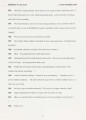
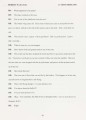
Show ROBERT W. HATCH 27 PT MB R 2002 BB: What other kind of personal equipment did you have? Wa th r uch thing a fire shells back then? RH: Would you believe we wore asbestos suits? Asbestos, you know, in these days is a no-no, but we had suits made out of asbestos. BB: Were they silver, kind of like how you see on ... ? RH: No, they're not that fancy looking. They were just plain old asbestos suits that were terrible. You got in there, and you couldn't get any air, and they were awful to wear. BB: What color were they? RH: Just grey. BB: So, were they thick? RH: Very thick, yes. BB: Pants and shirt, or one suit? RH: Pants and a coat. But we did away with all these. I didn't like the guys wearing them, they couldn't see and they got hot in there, they couldn't move too well and they couldn't breathe too well. BB: It's kind of a stiff material? RH: Very. So, we got away from that. We just went in the best we could without 'em. BB: So what else? Did you have a fire truck? RH: We later got what you call a cardox, it's C02. Nothing but CO ... you know what carbon dioxide is? It does the same thing as foam, except it's a fog type of thing. You've seen extinguishers before? BB: Yeah, uh-huh. 20 |
| Reference URL |
https://collections.lib.utah.edu/ark:/87278/s6002472/1033582 |