| OCR Text |
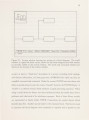
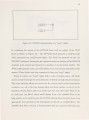
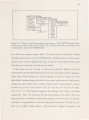
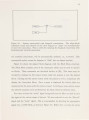
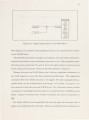
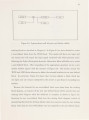
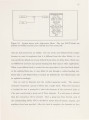
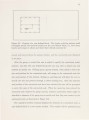
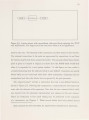
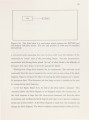
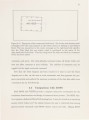
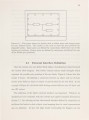
Show CHAPTER 2 THE VISUAL INTERACTIVE PROGRAMMING ENVIRONMENT 2.1 Overview VIPER is a visual interactive programming environment for the construction of block diagrams. This environment allows one to interactively construct twodimensional visual block diagram representations of a one-dimensional program. VIPER, by itself, simply defines the routines necessary to interactively manipulate block diagrams and their components. An application defined under VIPER defines a set of blocks (from which block diagrams are constructed) and a post processor (which generates an executable program.) The blocks defined by an application specify the visual representations and attributes for each element in the visual language. After these blocks have been combined graphically to form the appropriate program the post processor will then translate this diagram into a one-dimensional textual representation to be compiled and executed. The specifics behind developing an application are described in Chapter 8. Each block within VIPER may be accessed indirectly through the menu hierarchy or directly through the keyboard via the get command, i.e., "get name," where name is a unique handle to the desired object. Blocks are positioned and connected in an interactive manner, according to data flow, to form a new program or component. On-line help is available for each block, as well as on all block attributes. Help on general system usage is also available to the user. Once the blocks have been placed and positioned on the screen they may be connected. A connection must |