| Title |
Eliza R. Fife, Salt Lake City, Utah: an interview by Becky B. Lloyd, September 17, 2001: Saving the legacy tape no. 410 and 411 |
| Alternative Title |
Eliza R. Fife, Saving the legacy: an oral history of Utah's World War II veterans, ACCN 2070, American West Center, University of Utah |
| Creator |
Fife, Eliza R., 1929- |
| Contributor |
Lloyd, Becky B.; University of Utah. American West Center |
| Publisher |
Digitized by J. Willard Marriott Library, University of Utah |
| Date |
2001-09-17 |
| Date Digital |
2015-09-16 |
| Access Rights |
I acknowledge and agree that all information I obtain as a result of accessing any oral history provided by the University of Utah's Marriott Library shall be used only for historical or scholarly or academic research purposes, and not for commercial purposes. I understand that any other use of the materials is not authorized by the University of Utah and may exceed the scope of permission granted to the University of Utah by the interviewer or interviewee. I may request permission for other uses, in writing to Special Collections at the Marriott Library, which the University of Utah may choose grant, in its sole discretion. I agree to defend, indemnify and hold the University of Utah and its Marriott Library harmless for and against any actions or claims that relate to my improper use of materials provided by the University of Utah. |
| Spatial Coverage |
Bern, Switzerland |
| Subject |
Fife, Eliza R., 1929- --Interviews; World War, 1939-1945--Personal narratives, Swiss; World War, 1939-1945--Switzerland; Swiss Americans--Utah; Latter Day Saint missionaries--Biography |
| Keywords |
Switzerland; Immigration; Mormons |
| Description |
Transcript (48 pages) of an interview by Becky B. Lloyd with Eliza Fife on September 17, 2001. These are tape numbers 410 and 411 in the "Saving the Legacy Oral History Project |
| Collection Number and Name |
Accn2070, Saving the Legacy oral history project, 2001-2010 |
| Abstract |
Eliza Fife was born in Switzerland in 1929. She recalls life during the war, coming to the United States in 1949, and her subsequent life in America. 48 pages. |
| Type |
Text |
| Genre |
oral histories (literary works) |
| Format |
application/pdf |
| Extent |
48 pages |
| Language |
eng |
| Rights |
 |
| Scanning Technician |
Mazi Rakhsha |
| Conversion Specifications |
Original scanned with Kirtas 2400 and saved as 400 ppi uncompressed TIFF. PDF generated by Adobe Acrobat Pro X for CONTENTdm display |
| ARK |
ark:/87278/s6p006wv |
| Topic |
Personal narratives--Swiss; Veterans; World War (1939-1945); Swiss Americans; Mormon missionaries |
| Setname |
uum_slohp |
| ID |
1022956 |
| Reference URL |
https://collections.lib.utah.edu/ark:/87278/s6p006wv |
| Title |
Page 9 |
| Format |
application/pdf |
| Setname |
uum_slohp |
| ID |
1022914 |
| OCR Text |
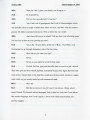
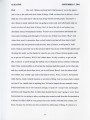
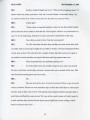
Show ELIZA FIFE SEPTEMBER 17,2001 people in there. So they had to pretty well be careful how they did it. Then during the war, all our city parks were turned into potato fields. So they grew potatoes instead of the lawns. So we had potatoes. So all the time during the war our vegetables were never, ever rationed. BEC: Wow ELI: And our farmers would come in three times a week to the open-air markets that we still had in there. They're more fun than anything. So they brought their stuff in, you know, and so we were able to buy the vegetables and stuff like that. We also had a little garden that was about, oh, I'd say, a mile-and-a-half away, that we had to walk out there and do. And my mom and everybody grew plants out there and vegetables out there. BEC: It was like a community garden, you had your part? ELI: Exactly. Exactly. And so we all grew our own vegetables. So that was very helpful. And I don't know how Mom fed us after it really got bad and everything was rationed. At one time, I think the rationing was one egg a person a month. BEC: One egg? ELI: One egg a person a month. One hundred grams of butter a person a month and meat was almost out of sight. So what you could buy there in meat they started to sell horse meat. And that was good. I mean, Mom learned how to do all kinds of things. And then she bought the things that weren't really rationed, like brains and, oh, what are the stomachs called. Yeah, they're the tripe. Anyway, she bought those kind of things. And one time when she cooked brains we had no idea what we were eating but my mom was an excellent cook and so she knew how to prepare it and it was absolutely 7 |
| Reference URL |
https://collections.lib.utah.edu/ark:/87278/s6p006wv/1022914 |