| Title |
Malcolm J. MacGregor, Park City, Utah: an interview by Benjamin Bahlmann, January 3, 2002: Saving the legacy tape no. 476, 477, and 478 |
| Alternative Title |
Malcolm MacGregor, Saving the legacy: an oral history of Utah's World War II veterans, ACCN 2070, American West Center, University of Utah |
| Creator |
MacGregor, Malcolm J., 1923- |
| Contributor |
Bahlmann, Benjamin; University of Utah. American West Center |
| Publisher |
Digitized by J. Willard Marriott Library, University of Utah |
| Date |
2002-01-03 |
| Date Digital |
2015-09-16 |
| Access Rights |
I acknowledge and agree that all information I obtain as a result of accessing any oral history provided by the University of Utah's Marriott Library shall be used only for historical or scholarly or academic research purposes, and not for commercial purposes. I understand that any other use of the materials is not authorized by the University of Utah and may exceed the scope of permission granted to the University of Utah by the interviewer or interviewee. I may request permission for other uses, in writing to Special Collections at the Marriott Library, which the University of Utah may choose grant, in its sole discretion. I agree to defend, indemnify and hold the University of Utah and its Marriott Library harmless for and against any actions or claims that relate to my improper use of materials provided by the University of Utah. |
| Spatial Coverage |
England; France; Germany; New York, United States |
| Subject |
MacGregor, Malcolm J., 1923- --Interviews; World War, 1939-1945--Personal narratives, American; Veterans--Utah--Biography; World War, 1939-1945--Aerial operations, American; World War, 1939-1945--Campaigns--Europe, Northern--Personal narratives, American; World War, 1939-1945--Campaigns--France--Normandy--Personal narratives, American; Prisoners of war--United States; Prisoners of war--Germany |
| Keywords |
D-Day; 702nd Bomber Squadron; Bombardier; POWs |
| Description |
Transcript (121 pages) of an interview by Benjamin Bahlmann with Malcolm J. MacGregor on January 3, 2002. This is from tape numbers 476, 477, and 478 in the "Saving the Legacy Oral History Project |
| Collection Number and Name |
Accn2070, Saving the Legacy oral history project, 2001-2010 |
| Abstract |
MacGregor (b. 1923) recalls his childhood in rural New York and describes learning about Pearl Harbor and attempting to enlist in the Air Corps. He was drafted into the army and was assigned training as a combat engineer. Shortly after that he was transferred to the 8th Air Force and sent to bombardier school. MacGregor talks about his training and the trip to England. His first mission was on D-Day with the 702nd Bomber Squadron. He was shot down over Germany and describes his capture and treatment as a prisoner of war. 121 pages. |
| Type |
Text |
| Genre |
oral histories (literary works) |
| Format |
application/pdf |
| Extent |
121 pages |
| Language |
eng |
| Rights |
 |
| Scanning Technician |
Mazi Rakhsha |
| Conversion Specifications |
Original scanned with Kirtas 2400 and saved as 400 ppi uncompressed TIFF. PDF generated by Adobe Acrobat Pro X for CONTENTdm display |
| ARK |
ark:/87278/s63n42p9 |
| Topic |
Personal narratives--American; Veterans; World War (1939-1945); Military operations, Aerial--American; Prisoners of war |
| Setname |
uum_slohp |
| ID |
1021587 |
| Reference URL |
https://collections.lib.utah.edu/ark:/87278/s63n42p9 |
| Title |
Page 47 |
| Format |
application/pdf |
| Setname |
uum_slohp |
| ID |
1021510 |
| OCR Text |
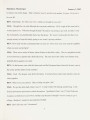
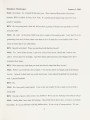
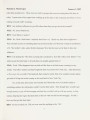
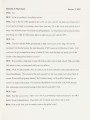
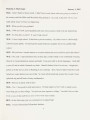
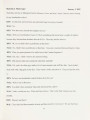
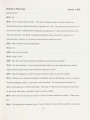
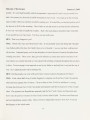
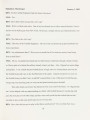
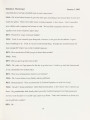
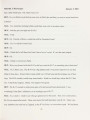
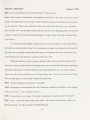
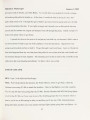
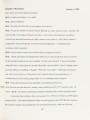
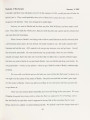
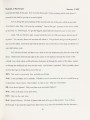
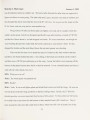
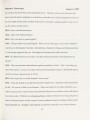
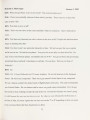
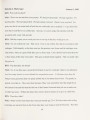
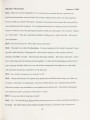
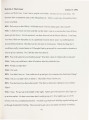
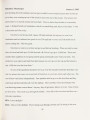
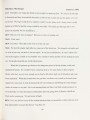
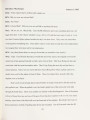
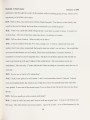
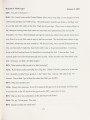
Show Malcolm J. MacGregor a u BEN: Did you have names for those bombs? Did you have a name for that kind frun? MAL: Nope, no specific or special name but the fragmentation bombs had a tremendous concussion and when they'd hit they'd clear out maybe a hundred yards wide. Just caught everything that was there but the Germans were dug in. 2 2 What would happen is the concussion was so bad and the stuff going on just blew their minds and they weren't able to fight combat anymore. I heard from someone in the military, on the ground forces, that they would just come up and pull these guys out of their foxholes and you could just kind of push them, zombie-like, and they'd walk back towards our line. BEN: Yeah, quite a powerful moment there. MAL: Yeah, it just made it so they were non-functional. BEN: Was that another example, very quickly, where you learned that it was better to be in the air? MAL: What? BEN: It's better to be in the air? MAL: Oh, absolutely. BEN: Not a combat engineer? MAL: Oh, yeah, at this point in time, it was a piece of cake. All my first five missions were what I would later term "milk-runs" because no shrapnel was close or anything of that nature. Later on, in fact I think it was my 6th mission, we went to a place near Bremen and they had the 105 or 155 millimeter canons and very big explosions. They came pretty close. BEN: Where did you see your first air casualty? MAL: Oh, I saw it on my next mission, on my 7th mission. I was on my way to Polity. 45 |
| Reference URL |
https://collections.lib.utah.edu/ark:/87278/s63n42p9/1021510 |