| Title |
Mary Camilla Howe Sims, Midvale, Utah: an interview by Becky B. Lloyd, March 22, 2004: Saving the legacy tape no. 650 |
| Alternative Title |
Mary Camilla Howe Sims, Saving the legacy: an oral history of Utah's World War II veterans, ACCN 2070, American West Center, University of Utah |
| Creator |
Sims, Mary Camilla Howe, 1921-2010 |
| Contributor |
Lloyd, Becky B.; University of Utah. American West Center |
| Publisher |
Digitized by J. Willard Marriott Library, University of Utah |
| Date |
2004-03-22 |
| Date Digital |
2015-09-16 |
| Access Rights |
I acknowledge and agree that all information I obtain as a result of accessing any oral history provided by the University of Utah's Marriott Library shall be used only for historical or scholarly or academic research purposes, and not for commercial purposes. I understand that any other use of the materials is not authorized by the University of Utah and may exceed the scope of permission granted to the University of Utah by the interviewer or interviewee. I may request permission for other uses, in writing to Special Collections at the Marriott Library, which the University of Utah may choose grant, in its sole discretion. I agree to defend, indemnify and hold the University of Utah and its Marriott Library harmless for and against any actions or claims that relate to my improper use of materials provided by the University of Utah. |
| Spatial Coverage |
New Guinea; Philippines; Wisconsin, United States |
| Subject |
Sims, Mary Camilla Howe, 1921-2010--Interviews; World War, 1939-1945--Personal narratives, American; Veterans--Utah--Biography; World War, 1939-1945--Women--United States--Biography; United States--Army Nurse Corps; World War, 1939-1945--Medical care |
| Keywords |
Nurses; Hospitals |
| Description |
Transcript (26 pages) of an interview by Becky B. Lloyd with Mary Camilla Howe Sims on March 22, 2004. This is from tape number 650 in the "Saving the Legacy Oral History Project |
| Collection Number and Name |
Accn2070, Saving the Legacy oral history project, 2001-2010 |
| Abstract |
Sims (b. 1921) was born in Darlington, Wisconsin, and received her nursing education at St. Mary's Hospital in Madison, Wisconsin. She joined the Army Nurse Corps in October 1943 and boarded the SS Lurline for New Guinea. She served at the 54th General Hospital for the duration of the war with the exception of a few months spent in the Philippines. She describes life on the island, her duties and activities, her post-war marriage, and talks about her children. 26 pages. |
| Type |
Text |
| Genre |
oral histories (literary works) |
| Format |
application/pdf |
| Extent |
26 pages |
| Language |
eng |
| Rights |
 |
| Scanning Technician |
Mazi Rakhsha |
| Conversion Specifications |
Original scanned with Kirtas 2400 and saved as 400 ppi uncompressed TIFF. PDF generated by Adobe Acrobat Pro X for CONTENTdm display |
| ARK |
ark:/87278/s6p28xd0 |
| Topic |
Personal narratives--American; Veterans; World War (1939-1945); Women in war; United States. Army Nurse Corps |
| Setname |
uum_slohp |
| ID |
1020046 |
| Reference URL |
https://collections.lib.utah.edu/ark:/87278/s6p28xd0 |
| Title |
Page 6 |
| Format |
application/pdf |
| Setname |
uum_slohp |
| ID |
1020024 |
| OCR Text |
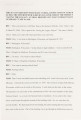
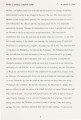
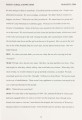
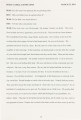
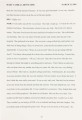
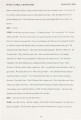
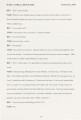
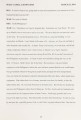
Show M RY MILL HOWE IM M R H 22 2004 ho pital ship r flown down. Usually, they were improved and h lp d. nc in a whil we had some fatalities. We had wards, which were built on the gen ral order that rmy hospitals are built. It's a long ramp with wards out on each side. We worked ometimes twelve-hour nights, but we got to sleep for a couple of hours during the night. Our biggest work and most busy time was every four hours we kept open the wounds the Gls had with irrigation. We had antibiotics, which were kept in our refrigerator, which was a large steel tub in the center of the ward filled with ice water because we had no electricity and we had no running water. We mixed those drugs ourselves and diluted it down for the dressings. These dressing were done every four hours, day and night. Some of them were rather involved and placed on quite ill people. We had other problems to worry about. Because of malaria, we took Atabrine, which made our complexion turn yellow. We looked like little Chinese girls . . When we quit, it faded away in time. We eventually got back our own complexion. BEC: Let me interrupt you. You said that you had no electricity and no water? MAR: No, not at first. Our water consisted of one faucet at the top of the nurses' quarters. We lived in a fenced off area and we were guarded day and night. We had some rather interesting observations as we went along. At one point, we were bunked in tents, four of us to a tent, on a hillside. When it would rain-it was either the hot, wet season or the dry season. When it was the hot and wet season, it was mud, deep, bad mud. So, in the morning, if we'd had a storm during the night, we had to run to the bottom of the hill and find our boots because the boots would be covered with mud. They'd been washed down during the nighttime. Among other people, we had a nurse who was very "hyper". Somebody had washed out a pair of fatigues and hung them on 5 |
| Reference URL |
https://collections.lib.utah.edu/ark:/87278/s6p28xd0/1020024 |