| Title |
Robert A. Schluter, Salt Lake City, Utah: an interview by Becky B. Lloyd, November 4, 2002: Saving the legacy tape no. 548 and 549 |
| Alternative Title |
Robert A. Schluter, Saving the legacy: an oral history of Utah's World War II veterans, ACCN 2070, American West Center, University of Utah |
| Creator |
Schluter, Robert A., 1924- |
| Contributor |
Lloyd, Becky B.; University of Utah. American West Center |
| Publisher |
Digitized by J. Willard Marriott Library, University of Utah |
| Date |
2002-11-04 |
| Date Digital |
2015-09-16 |
| Access Rights |
I acknowledge and agree that all information I obtain as a result of accessing any oral history provided by the University of Utah's Marriott Library shall be used only for historical or scholarly or academic research purposes, and not for commercial purposes. I understand that any other use of the materials is not authorized by the University of Utah and may exceed the scope of permission granted to the University of Utah by the interviewer or interviewee. I may request permission for other uses, in writing to Special Collections at the Marriott Library, which the University of Utah may choose grant, in its sole discretion. I agree to defend, indemnify and hold the University of Utah and its Marriott Library harmless for and against any actions or claims that relate to my improper use of materials provided by the University of Utah. |
| Spatial Coverage |
Los Alamos, Los Alamos County, New Mexico, United States; Salt Lake City, Salt Lake County, Utah, United States |
| Subject |
Schluter, Robert A., 1924- --Interviews; World War, 1939-1945--Personal narratives, American; Veterans--Utah--Biography; Atomic bomb--Design and construction--History |
| Keywords |
Atom bomb |
| Description |
Transcript (55 pages) of an interview by Becky B. Lloyd with Robert A. Schluter on November 4, 2002. This is from tape numbers 548 and 549 in the "Saving the Legacy Oral History Project |
| Collection Number and Name |
Accn2070, Saving the Legacy oral history project, 2001-2010 |
| Abstract |
Robert Schluter (b. 1924) recalls his childhood and education in Salt Lake City, Utah, prior to enlising in the U.S. Army in 1942. After basic training he was recruited for special service at Los Alamos, New Mexico, where he was involved in electronic-related work on the atom bomb. He served until February 1946. He also relates his post-war experiences in research and academia at various institutions, including MIT and the Argonne National Laboratory. 55 pages. |
| Type |
Text |
| Genre |
oral histories (literary works) |
| Format |
application/pdf |
| Extent |
55 pages |
| Language |
eng |
| Rights |
 |
| Scanning Technician |
Mazi Rakhsha |
| Conversion Specifications |
Original scanned with Kirtas 2400 and saved as 400 ppi uncompressed TIFF. PDF generated by Adobe Acrobat Pro X for CONTENTdm display |
| ARK |
ark:/87278/s62c0x8p |
| Topic |
Personal narratives--American; Veterans; World War (1939-1945); Atomic bomb--Design and construction |
| Setname |
uum_slohp |
| ID |
1017535 |
| Reference URL |
https://collections.lib.utah.edu/ark:/87278/s62c0x8p |
| Title |
Page 30 |
| Format |
application/pdf |
| Setname |
uum_slohp |
| ID |
1017508 |
| OCR Text |
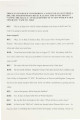
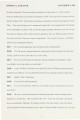
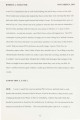
Show ROB RT HL T R B R 4, 20 2 h achi v d a gr at m m nt in history because he took the ide f p ac . R c ntly, th r was a biography of Hirohito that points out that throughout his car r he wa ry warlike. He was eager to get into Manchuria; he was not a passive manager of th Japanese war system. At that time he took the side of peace! They made a recording because they could not communicate with the rest of Japan because it was controlled by the military. So they made a recording. It is a dramatic story. They got it to a radio station. They announced earlier to the people of Japan, turn on your radios at noon, and they did so, and then the Emperor's message was played to them. It got to all the people; it bypassed the military in control. He defended Japan mostly, but he did announce a surrender. That's an extremely critical time in history, because had they not done that there would have been millions killed. That was not known so well and there are people who've said various things, and the fact of getting the actual information from the records of various kinds, I think settles it in my mind totally and completely. Admiral King didn't think the bomb would ever work. He was always against it. So he was pushing for the idea all along that we should just starve them out. Blockade and starve them for years. There are various other alternatives that had been written up. Truman got the facts and he made, I think, one of the most important decisions in the history of humanity, humanitarian decisions, because had he not made that decision I'm convinced there would have been three or four million dead, at least. In fact, our preparations-one reason why Glen Young is interested is our preparations and serious planning in the summer of 1945 would have been all the troops from every place, all we had. It would be bigger than D-Day getting these resources on all the various islands all around, moving there, getting ready for the invasion that was supposed to be November 5, 1945. We had 29 |
| Reference URL |
https://collections.lib.utah.edu/ark:/87278/s62c0x8p/1017508 |