| OCR Text |
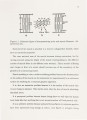
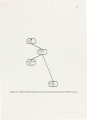
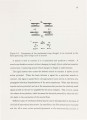
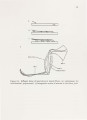
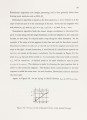
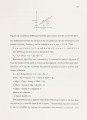
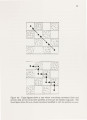
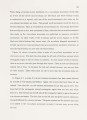
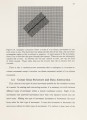
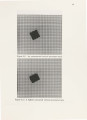
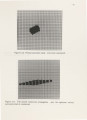
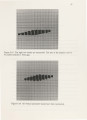
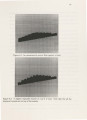
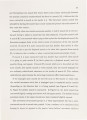
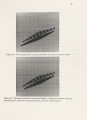
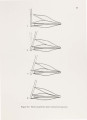
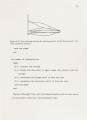
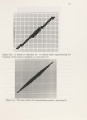
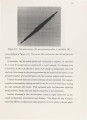
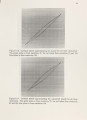
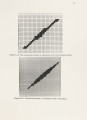
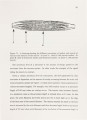
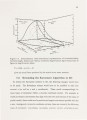
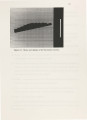
Show 30 Figure 5.4. Top to bottom, line parallel to the longitudinal axis of a muscle 'm-row' (muscle not shown), 'm-row's stacked, and an 'm-row' and an 'm-column'. along an m row or am column. Thus within this new coordinate system, one can move up or down or left or right to create roughly parallel rows and columns. Thus each muscle _ has its own coordinate system and associated rows and columns without any rotational transformations being necessary. To increase clarity, I have coined a series of mnenomics to refer to the various types of movement. Movement to the right along an m-row is referred to as +m-row movement. Similarly, movement to the left along an m-row is referred to as -m-row movement. Movement up an m-column is called +m-column movement and movement down an m-column is called -m-column movement. The original columns of the 2D pixel array are called w-columns (the 'w' refers to world). Analogously, the original rows of the 2D pixel array are called w-rows. This adds four new types of movement: +w-column, -w-column, +w-row and -w-row (which are like rook movements in chess). For certain operations, it is necessary to traverse upward along an m-column |